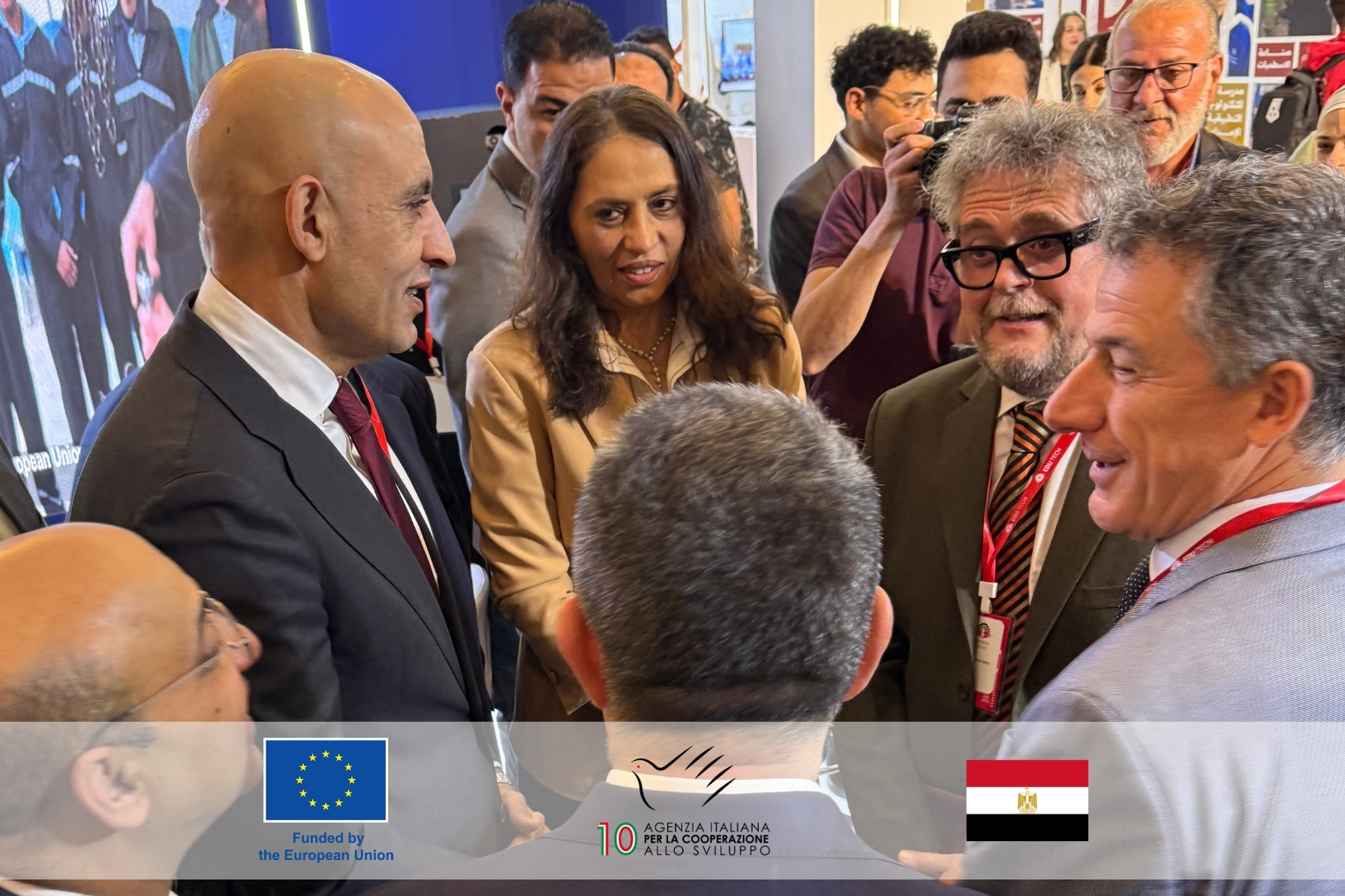
EU-TEJPA

The “Improving Technical Education and Job Prospects Through ATS Model – EU-TEJPA” program is funded by the European Union and implemented by the Italian Agency for Development Cooperation – AICS Cairo, in collaboration with the Egyptian government, specifically the Ministry of Education and Technical Education (MoETE). The program aims to strengthen the technical and vocational […]

Tempo di Lettura:

1 min

The “Improving Technical Education and Job Prospects Through ATS Model – EU-TEJPA” program is funded by the European Union and implemented by the Italian Agency for Development Cooperation – AICS Cairo, in collaboration with the Egyptian government, specifically the Ministry of Education and Technical Education (MoETE).

The program aims to strengthen the technical and vocational education and training (TVET) sector in Egypt by consolidating the Applied Technology Schools (ATS) model, improving the quality, inclusiveness, and responsiveness of technical education to labor market needs.

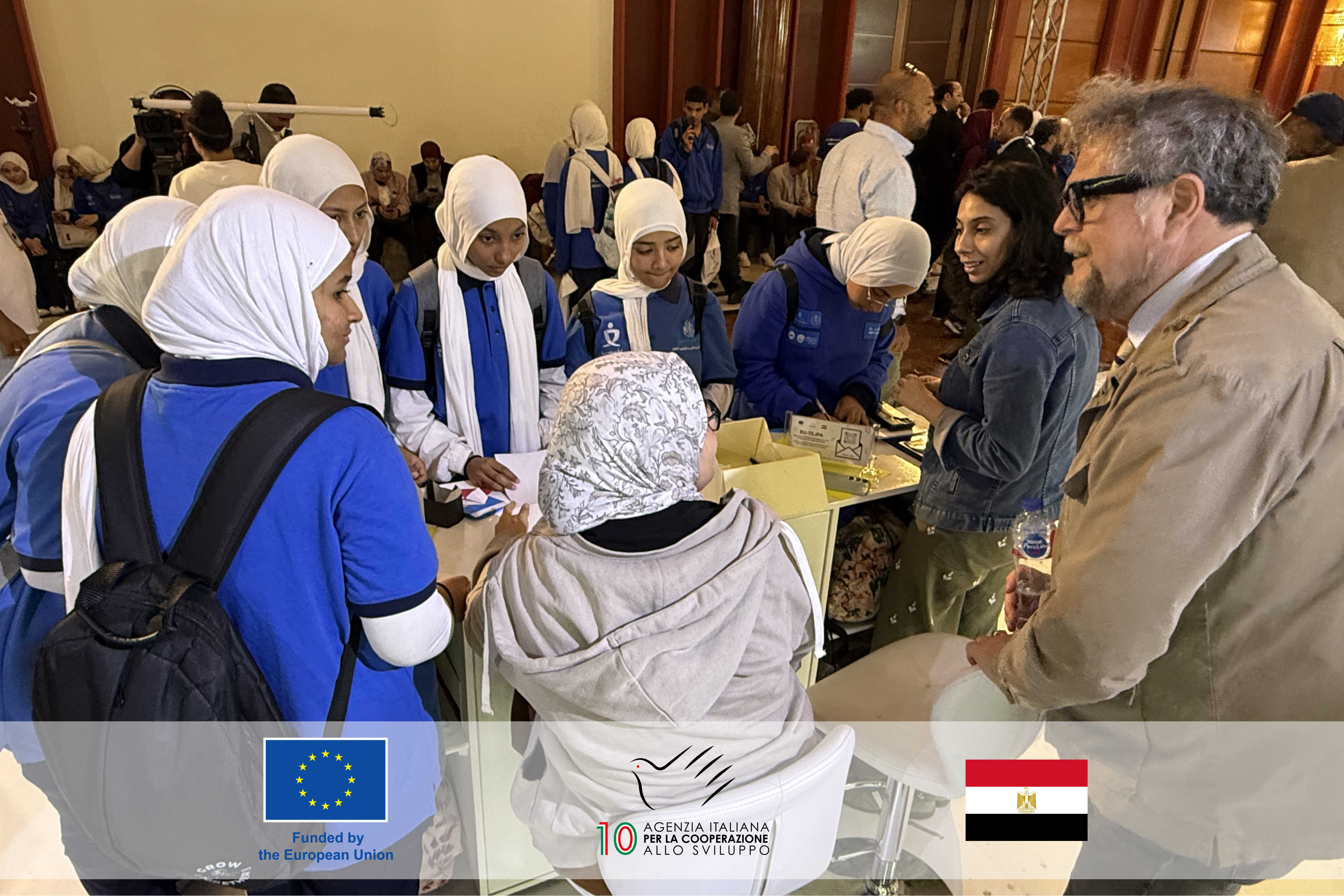
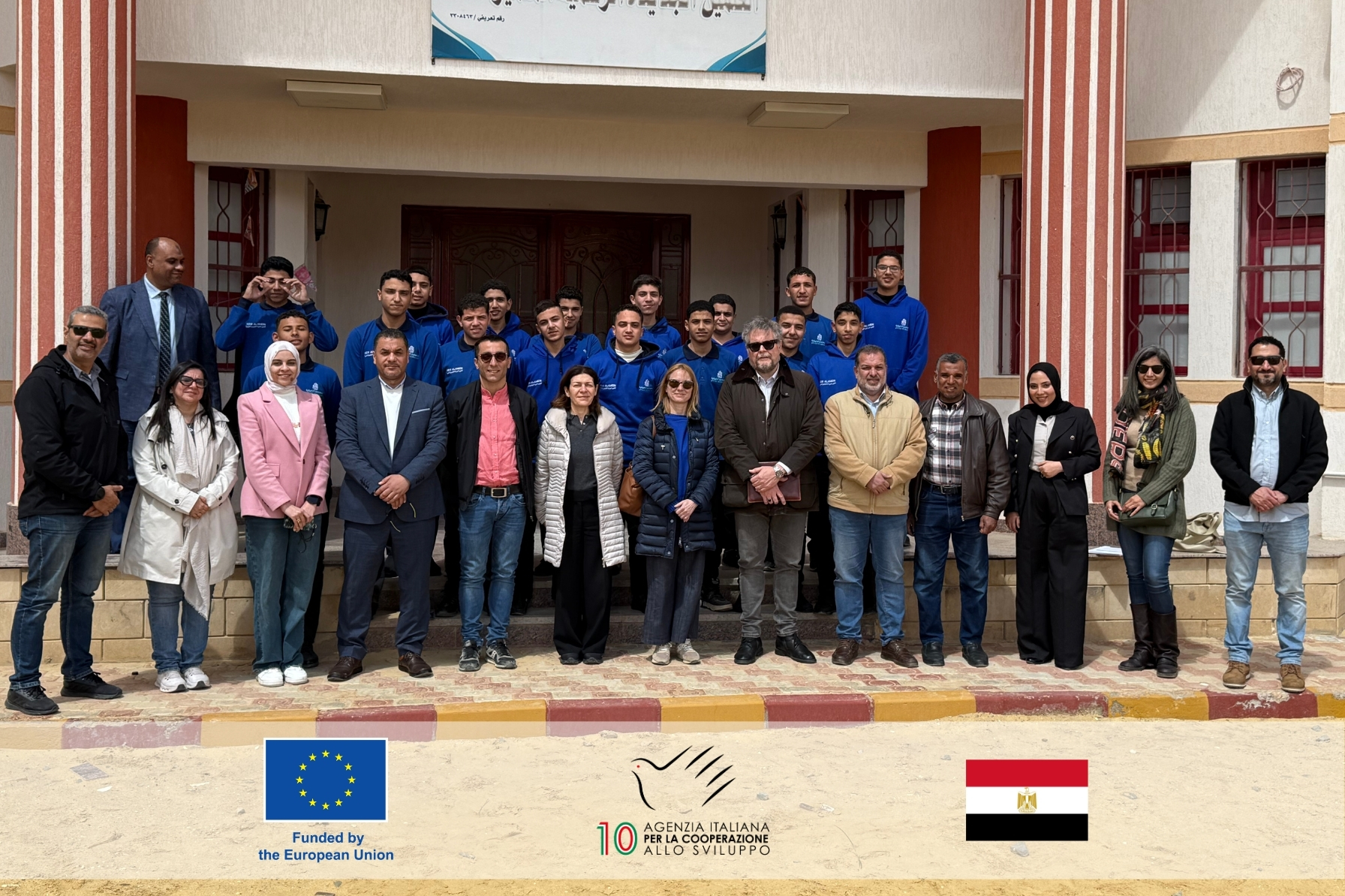
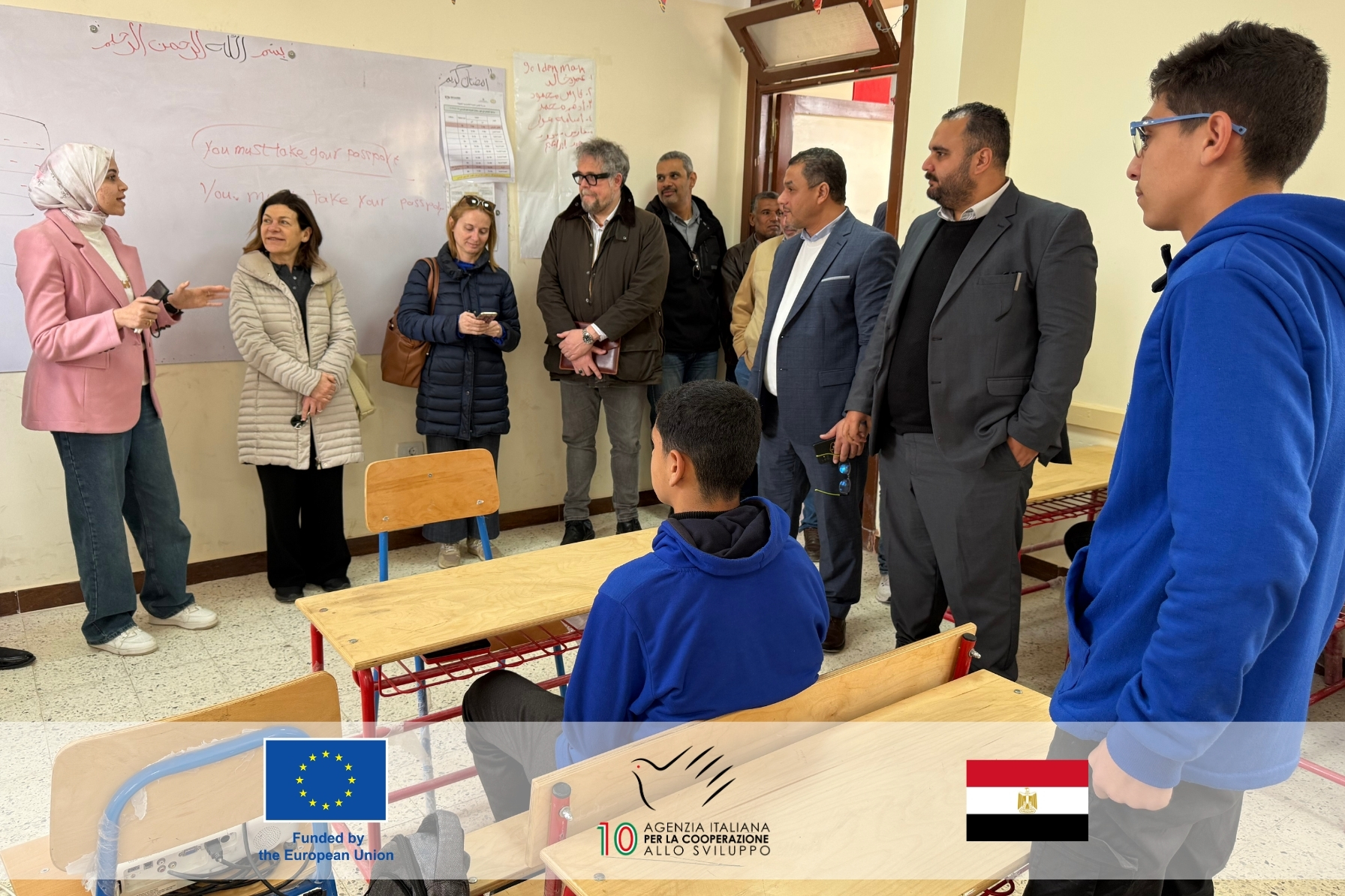
In line with the Egyptian technical education reform (T.E 2.0), EU-TEJPA supports the development of two ATS schools in New Damietta (Damietta Governorate) and New Alamein (Matrouh Governorate). The program promotes modern learning environments, curricula aligned with business needs, skills-based training, inclusive access for female students and people with disabilities, strengthening school governance, and employability pathways, including technical Italian language courses.

EU-TEJPA operates within a public-private partnership. The core activities are funded by the European Union and coordinated and implemented by AICS Cairo. Complementary activities are funded and coordinated by Eni, through its subsidiary Ieoc Production B.V. (IEOC) and Damietta LNG Company (DLNG), based on a Memorandum of Understanding signed with AICS, and implemented by the El Sewedy Electric Foundation (SEF). The partnership helps provide young people with the skills needed to respond to the changing labor market, supporting the national reform of technical education in Egypt and sustainable socioeconomic development.

Visibility and recognition of EU funding
The project is funded by the European Union. The contents of this page are the sole responsibility of AICS Cairo and do not necessarily reflect the views of the European Union.

Project overview

  • Duration: 36 months, November 2025 – October 2028
    Location: New Damietta (Damietta Governorate) and New Alamein (Matrouh Governorate), Egypt
    Funding: €6 million funded by the European Union under the EU4YES program (Phase I) and managed by AICS, with €3 million in complementary funding from Ieoc Production B.V. and Damietta LNG Company (DLNG).
    Direct beneficiaries: 700
    Indirect beneficiaries: approximately 7,000
    Main partners: AICS Cairo, Egyptian Ministry of Education and Technical Education, Eni (through Ieoc), DLNG, and El Sewedy Electric Foundation- Implementing partners:

    • Italian Agency for Development Cooperation – AICS Cairo
    • Eni, through its subsidiary Ieoc Production B.V. (IEOC), and Damietta LNG Company (DLNG), a private sector partner; and El Sewedy Electric Foundation (SEF), the implementing body for training and support activities (soft activities).

    – Stakeholders involved:
    • Ministry of Education and Technical Education (MoETE).
    • Ministry of Petroleum and Mineral Resources (MoPMR).
    • Damietta Governorate.
    • Matrouh Governorate.

    – Target groups/beneficiaries:
    • 700 direct beneficiaries (students, with an enrollment quota of at least 20% female students and 5% persons with disabilities, teachers, and administrative staff).
    • 7,000 indirect beneficiaries (students’ families and local communities).

Strategic objective: Strengthen the quality, inclusiveness, and responsiveness to labor market needs of technical and vocational education and training (TVET) in Egypt, in line with the evolving needs of the green and digital transition.

Specific objective: Support the establishment of two Applied Technology Schools (ATS), offering inclusive, skills-based technical education accompanied by structured work-based learning pathways, aligned with the needs of the private sector.

Component 1 – Inclusion Strategy (Output 1.1): Development and implementation of a strategy for gender equality and the inclusion of people with disabilities, including training activities for school staff to promote inclusive learning environments and support for the integration of inclusion standards into the national quality assurance framework for the ATS model.

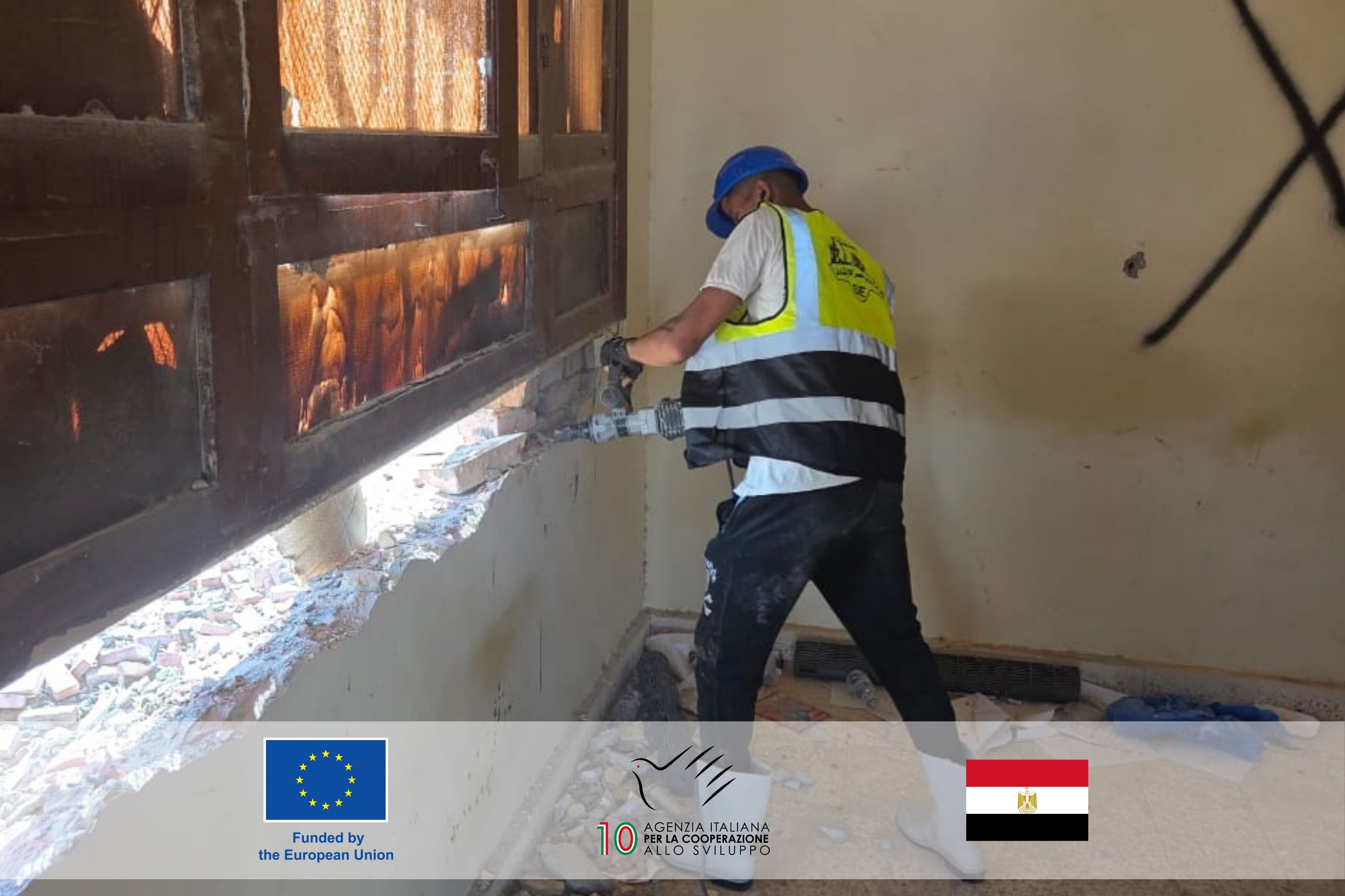
Component 2 – Infrastructure and Equipment (Output 1.2): Renovation, construction, and modernization of two ATS schools, creating safe, modern, accessible, inclusive facilities and learning environments geared toward the needs of the manufacturing sector.

Component 3 – Employability and Language Courses (Output 1.3): Design and implementation of technical Italian language courses developed jointly with businesses, complemented by a program to prepare ATS school graduates for employability and mobility.

Component 4 – Complementary support activities (Eni, through its subsidiaries Ieoc and DLNG, with implementation entrusted to SEF): School governance, teacher selection and training, development of skills-based curricula, accreditation processes, and establishment of work-based learning modalities in collaboration with local businesses.

Outcome 1: Two fully operational, inclusive, and labor market-responsive Applied Technology Schools will be established in New Damietta and New Alamein, equipped with renovated infrastructure, modern equipment, and sustainable governance and management structures.

The two ATS schools will offer the following specializations:

New Damietta: Metalworking and Welding, Energy, Electrical Installations, Carpentry and Furniture Manufacturing, Mechanical Maintenance and Operation, Logistics and Warehousing, and Construction.

New Alamein: Food and Beverage, Hospitality and Housekeeping, and Facility Management.

Outcome 2: Strengthening the inclusion, participation, and institutional capacity of ATS schools, ensuring equal access and a supportive learning environment for female students and persons with disabilities.

To this end, specific strategies will be developed for gender equality and the inclusion of persons with disabilities, accessible and gender-sensitive facilities will be created, the skills of teaching and non-teaching staff will be strengthened, and inclusion standards will be integrated into the national quality assurance and accreditation framework for ATS schools.

Outcome 3: Young students and graduates will acquire technical and transversal employability skills relevant to business needs, strengthening the school-to-work transition and access to national and international employment opportunities.

ATS schools will adopt Competency-Based Curricula (CBC) and Work-Based Learning (WBL) programs, in collaboration with private sector partners, complemented by technical Italian language courses co-designed with businesses.

Contacts

Nicola Tucci

Position: International Team Leader, EU-TEJPA – AICS Cairo

Email: nicola.tucci@aics.gov.it

Video

Ultimo aggiornamento: 02/11/2026, 14:12