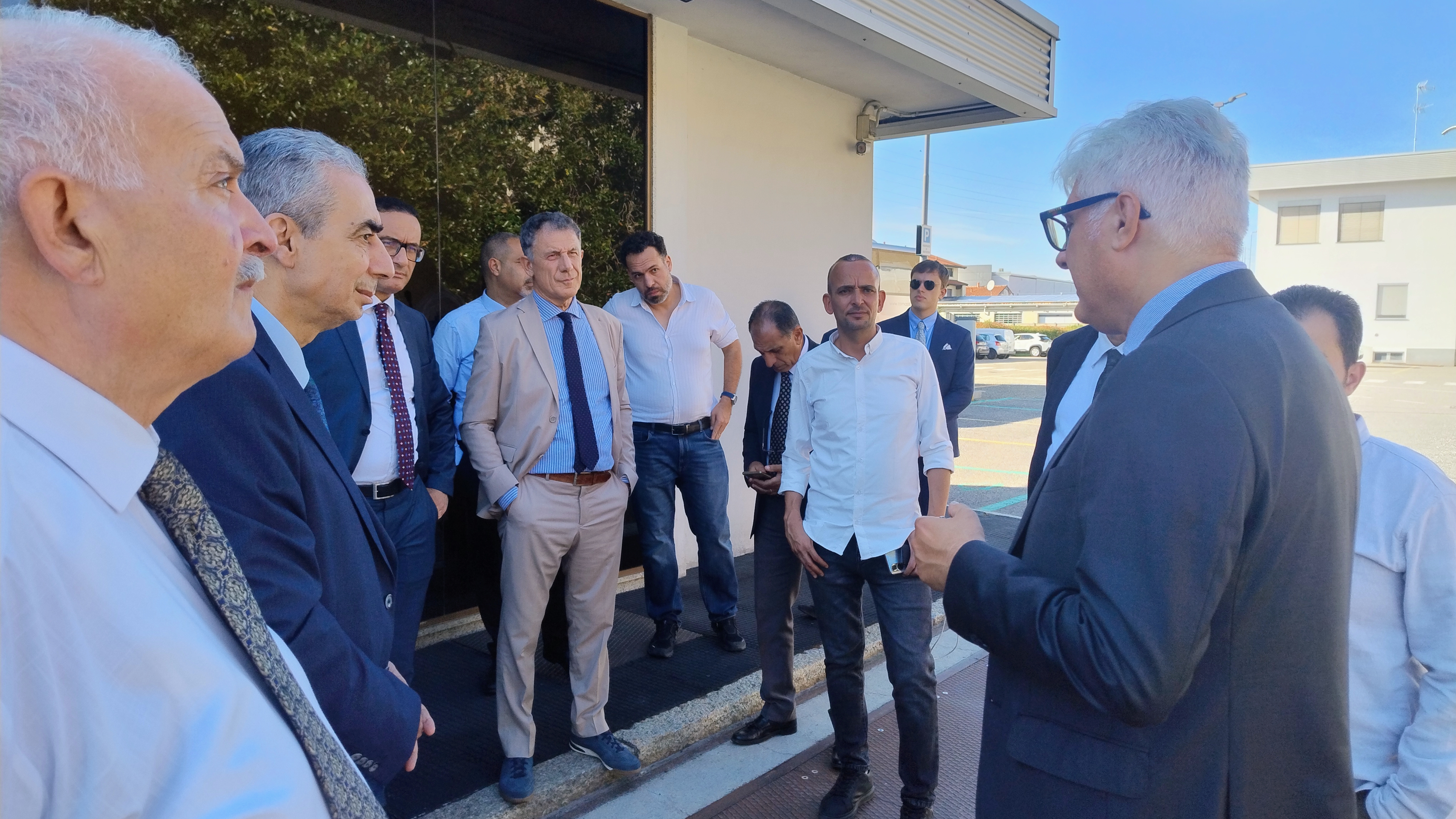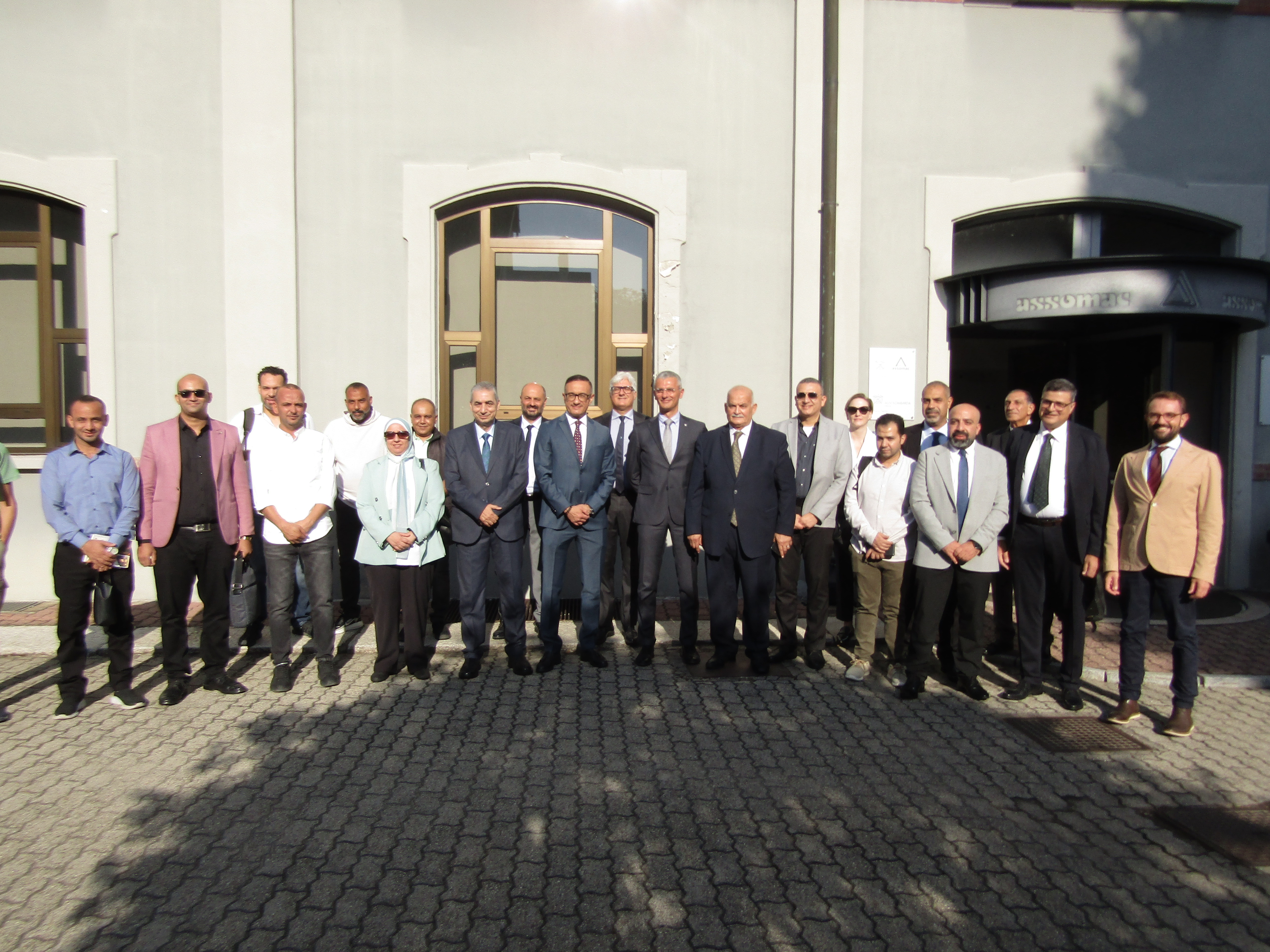
An Egyptian delegation from Robbiki Leather City concluded a week of meetings, visits and training activities in Italy on 18 September, focusing on the Italian leather and footwear industry.
Led by Dr Ahmed Maghawry, Assistant to the Egyptian Minister of Industry for International Cooperation, the delegation brought together representatives of the Ministry of Industry, the Leather Tanning Technology Centre (LTTC), the Cairo for Investment and Development Company (CID), and around 20 Egyptian entrepreneurs from the leather value chain.
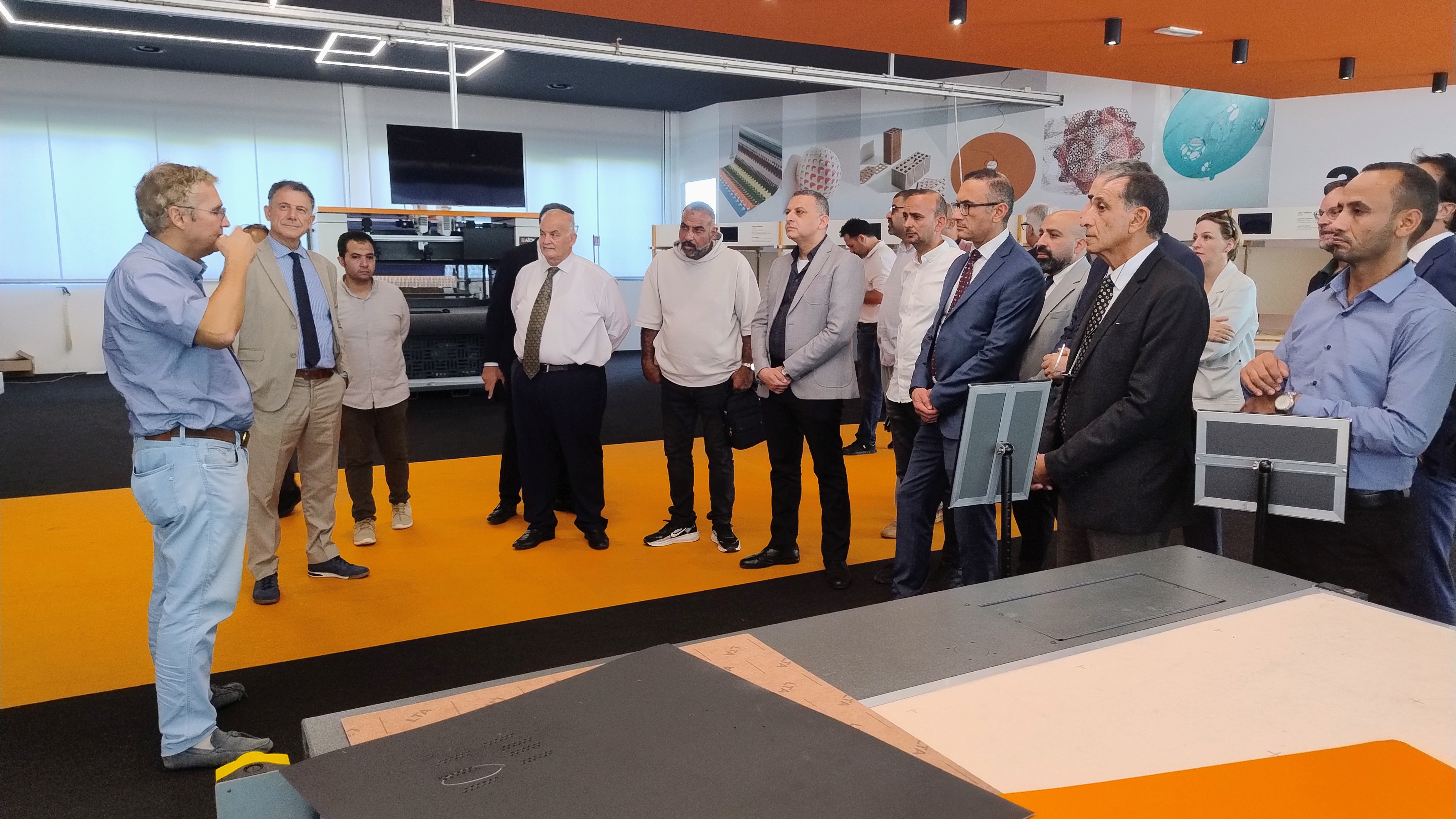
Organised within the framework of Italian-Egyptian cooperation to develop Robbiki Leather City, the study tour provided an opportunity for direct engagement with Italian companies, institutions, industry associations and centres of expertise. The programme combined a visit to the historic industrial district of Vigevano, participation in MICAM Milano, SIMAC Tanning Tech and LINEAPELLE, meetings with technology companies and training activities, and a final day in Turbigo featuring an international conference organised by the local authorities.
A pathway built through Italian Development Cooperation
The mission was part of a long-standing cooperation process that has supported the transformation of Egypt’s leather tanning sector over the years.
Robbiki Leather City originated from the Egyptian Government’s plan to relocate and modernise tanning activities previously concentrated in the Magra El Eyoun area in central Cairo. Italian Development Cooperation has supported this process through various initiatives, contributing to infrastructure development, technical assistance, training, technology transfer and institutional capacity-building.
Under the current €6 million programme, “Support to the Development of Robbiki Leather City”, AICS Cairo provides technical assistance for the management of the district and its shared facilities, while supporting the strengthening of the Leather Tanning Technology Centre. The Centre is intended to provide services to businesses in training, production, research and quality control.
The programme also aims to strengthen technical and managerial skills and equip the technology centre with the tools and equipment needed to support the modernisation of the value chain. Its training component focuses in particular on introducing modern tanning techniques, the safe use of machinery and more environmentally responsible production practices.
The study tour in Italy builds on this established cooperation and represents a natural next step. Following support for infrastructure, technical capacities and services, the development of direct links with the Italian industrial system opens up new opportunities for exchange, collaboration and investment.
14 September – Vigevano: The history of Italy’s industrial districts
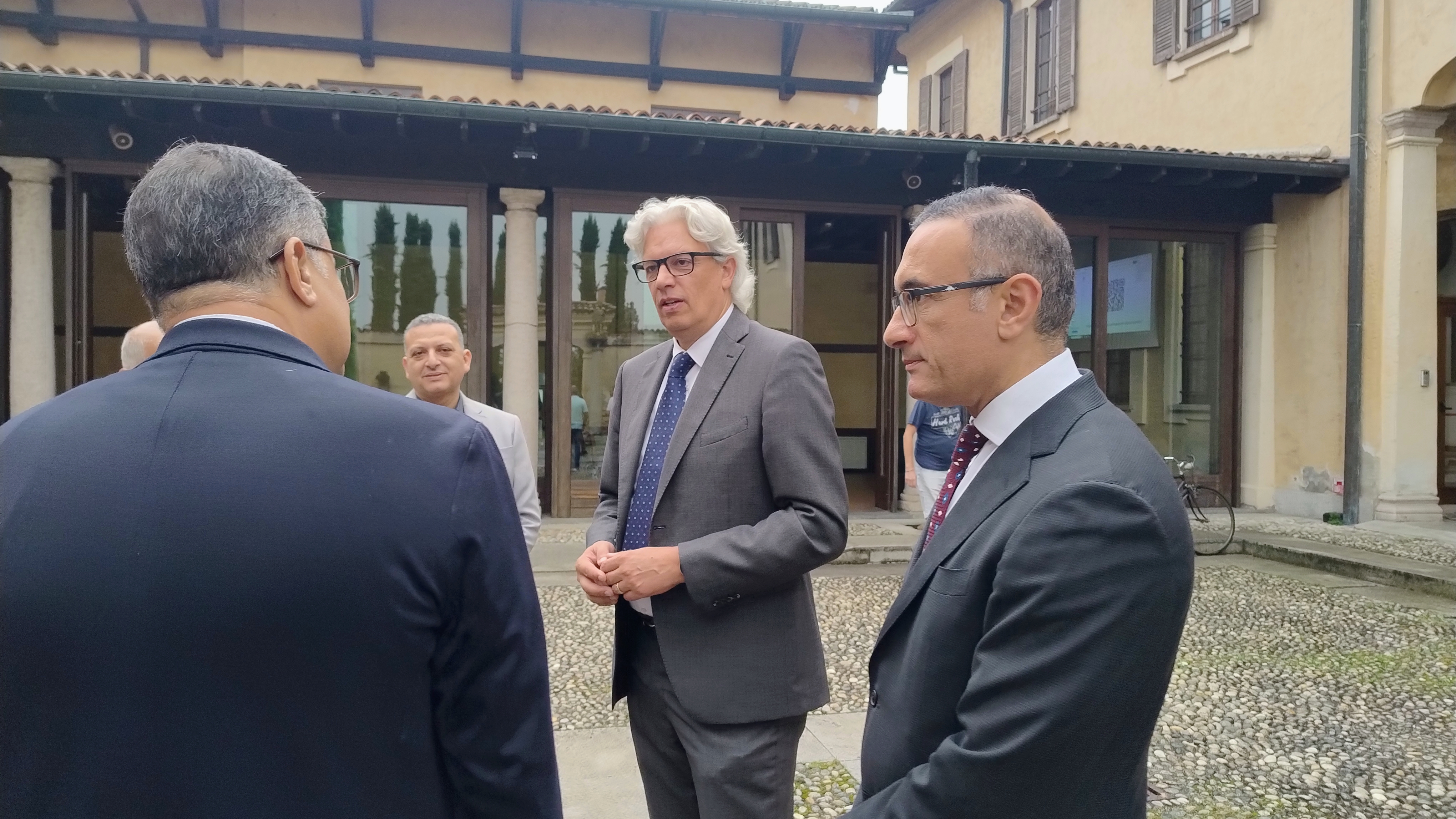
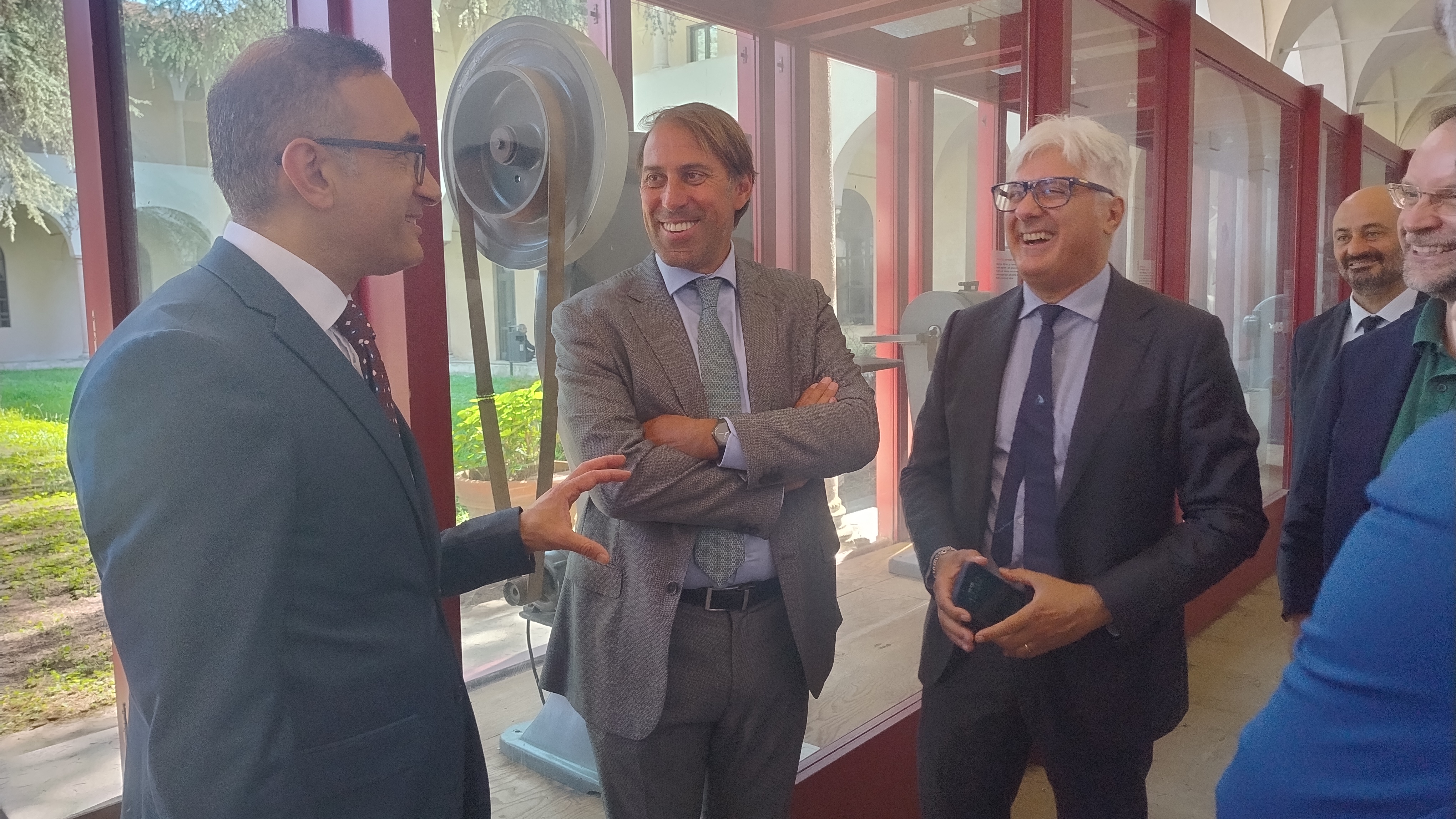
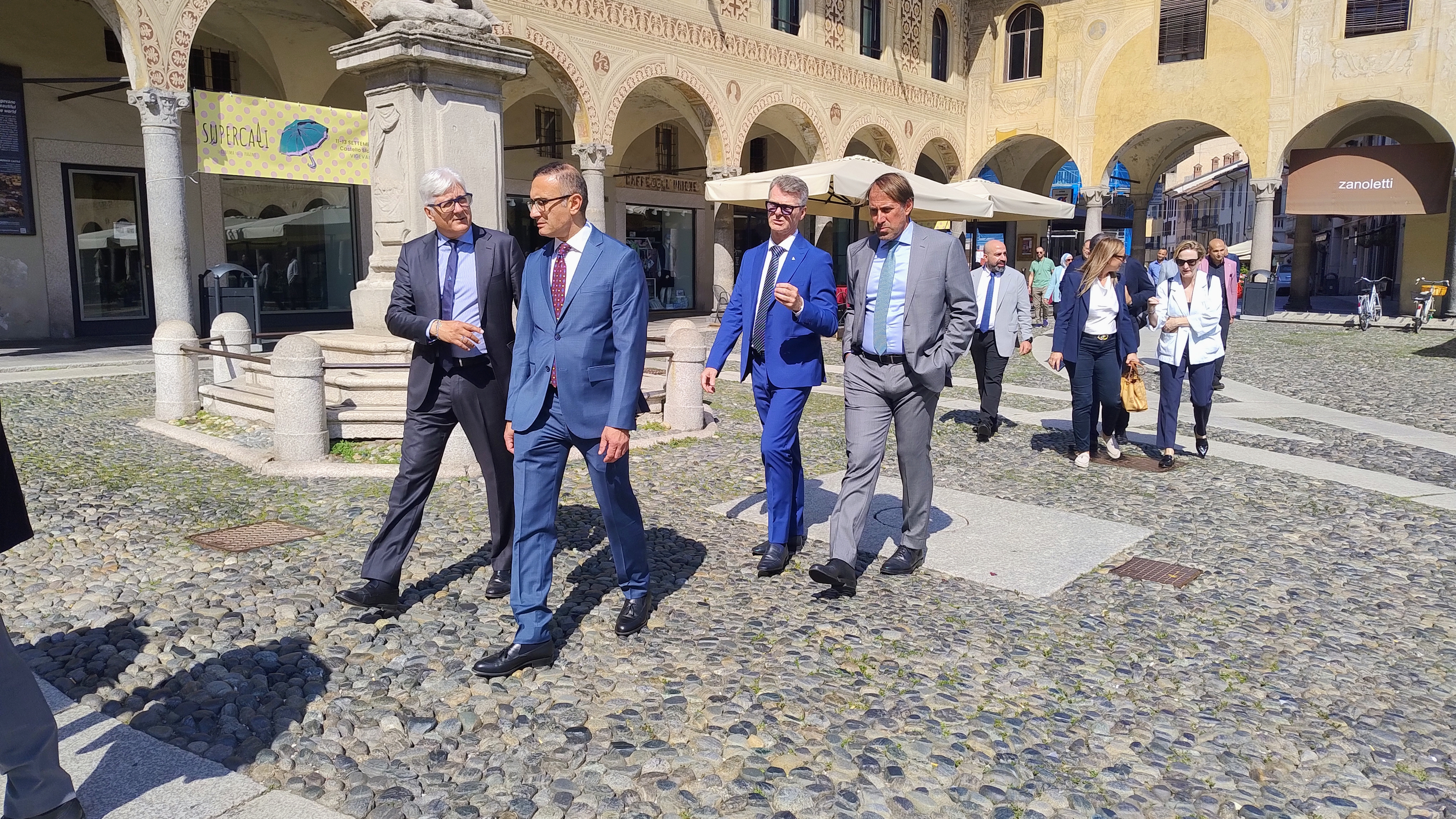
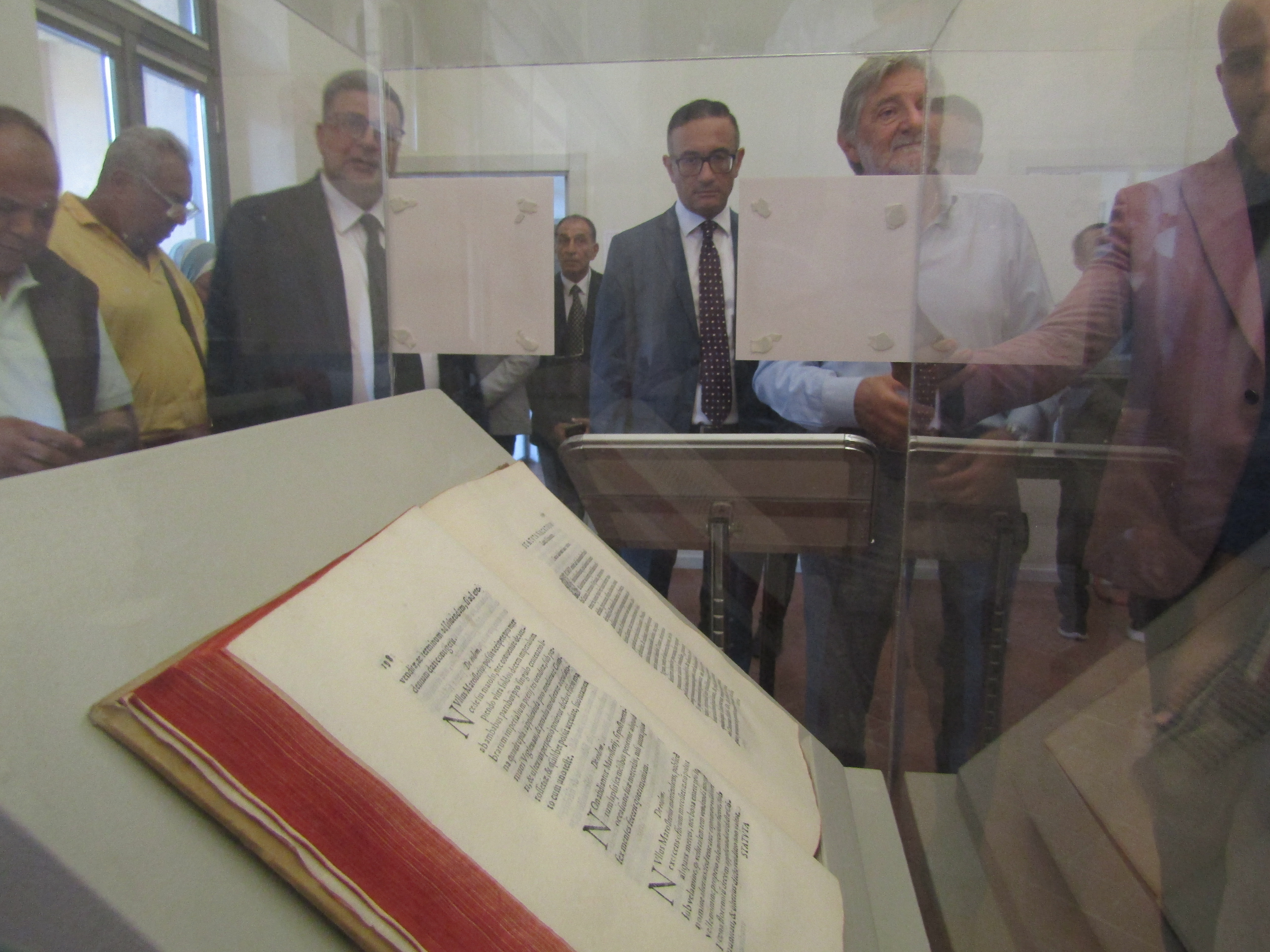
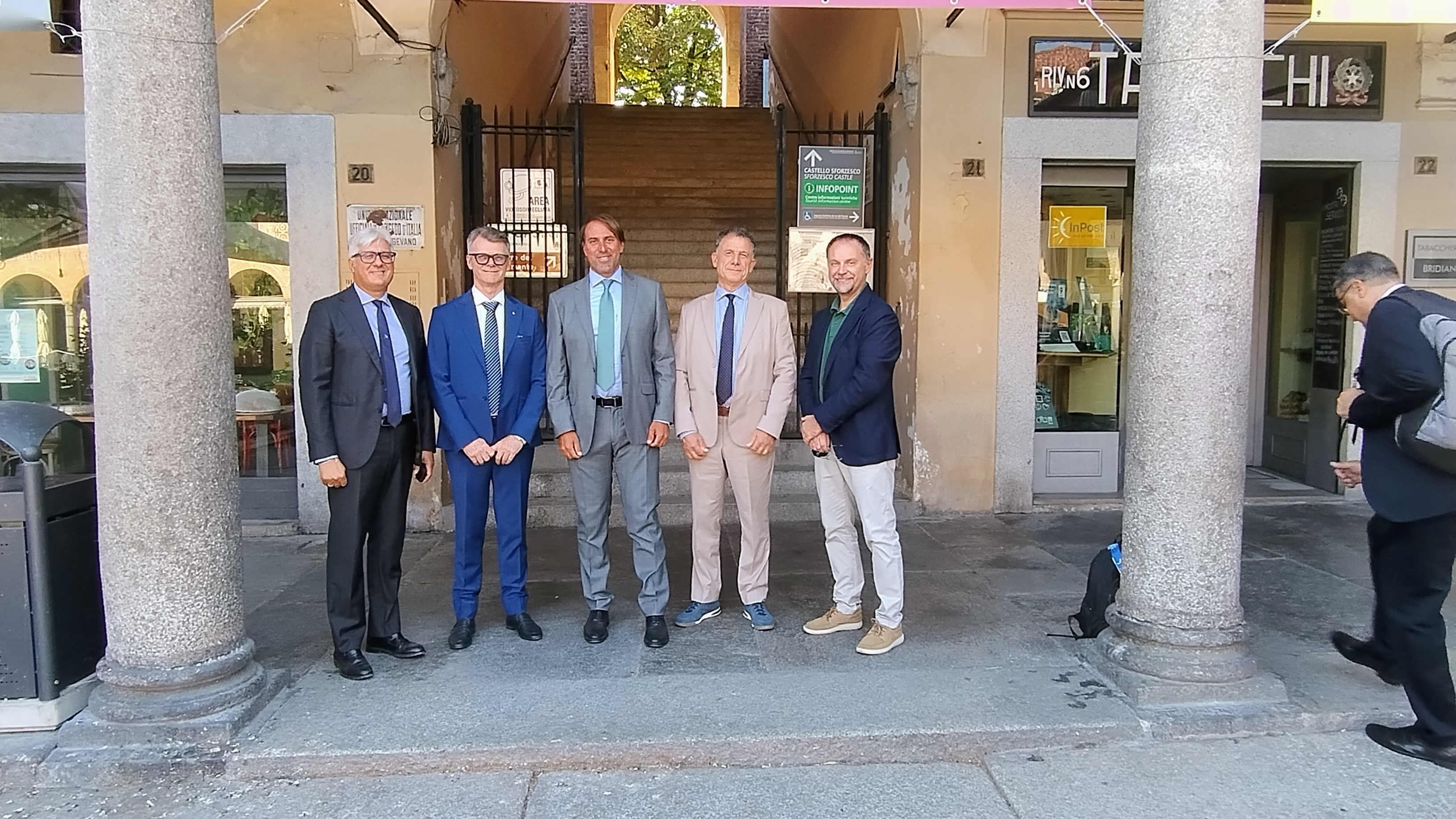
The first stop on the study tour was Vigevano, where, on 14 September, the delegation had the opportunity to explore the history of one of the areas most closely associated with Italy’s footwear industry.
Visits to the International Footwear Museum and the Museum of Entrepreneurship traced the evolution of local production and entrepreneurial culture, highlighting the relationship between skills, businesses, innovation and the development of the industrial district.
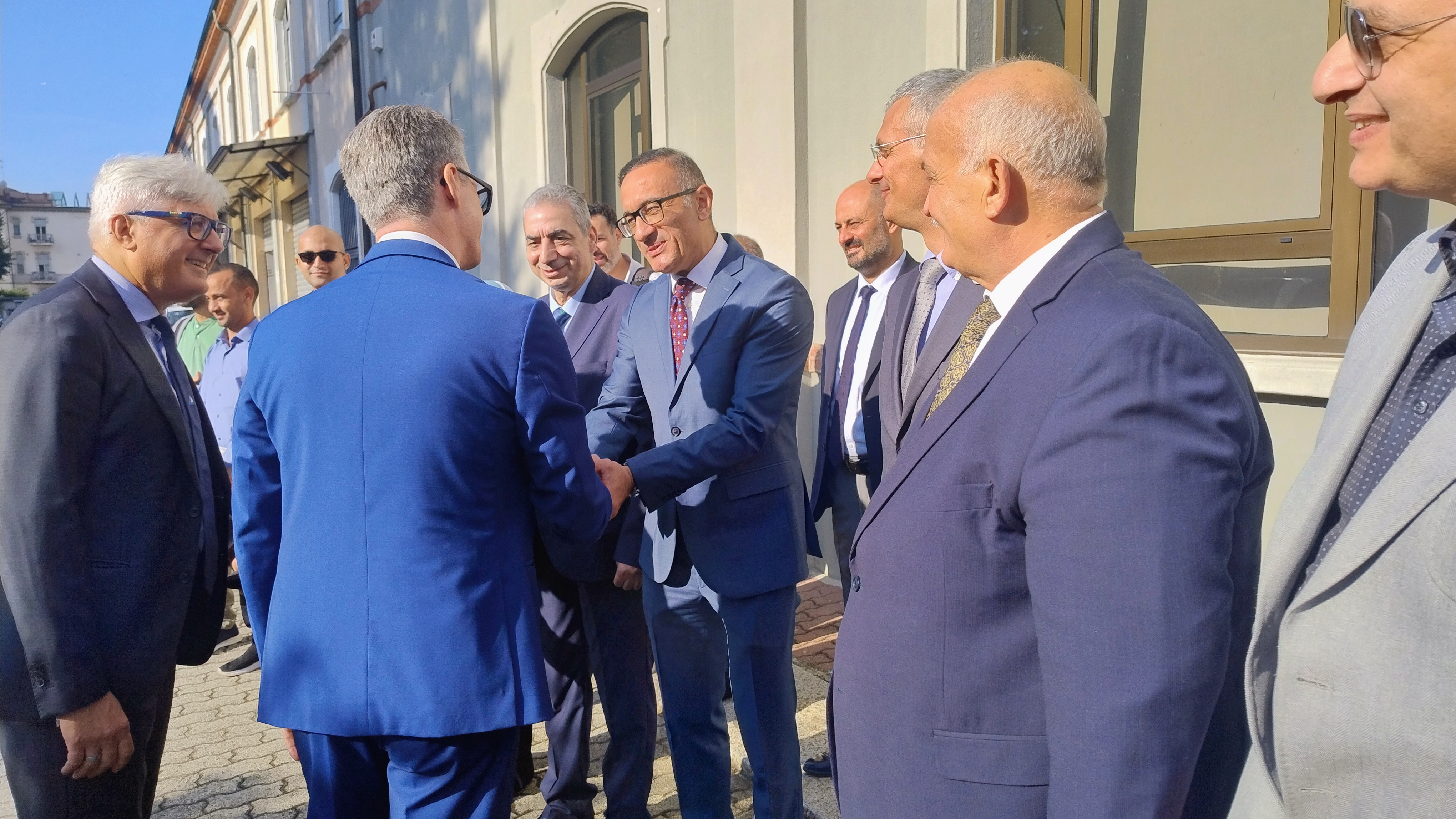
The day also saw the arrival of Marco Rusconi, Director of the Italian Agency for Development Cooperation (AICS), who welcomed the Egyptian delegation and conveyed the greetings of Italian Development Cooperation.
The exchange on Vigevano’s experience introduced one of the study tour’s central themes: understanding how the competitiveness of a value chain depends not only on individual companies or technologies, but also on a territory’s ability to connect expertise, services, institutions and specialised businesses.
For the Egyptian delegation, the visit provided an initial reference point for understanding the Italian industrial district model and the role that a production system can play in the development of a sector.
15 September – Robbiki meets the Italian industrial system
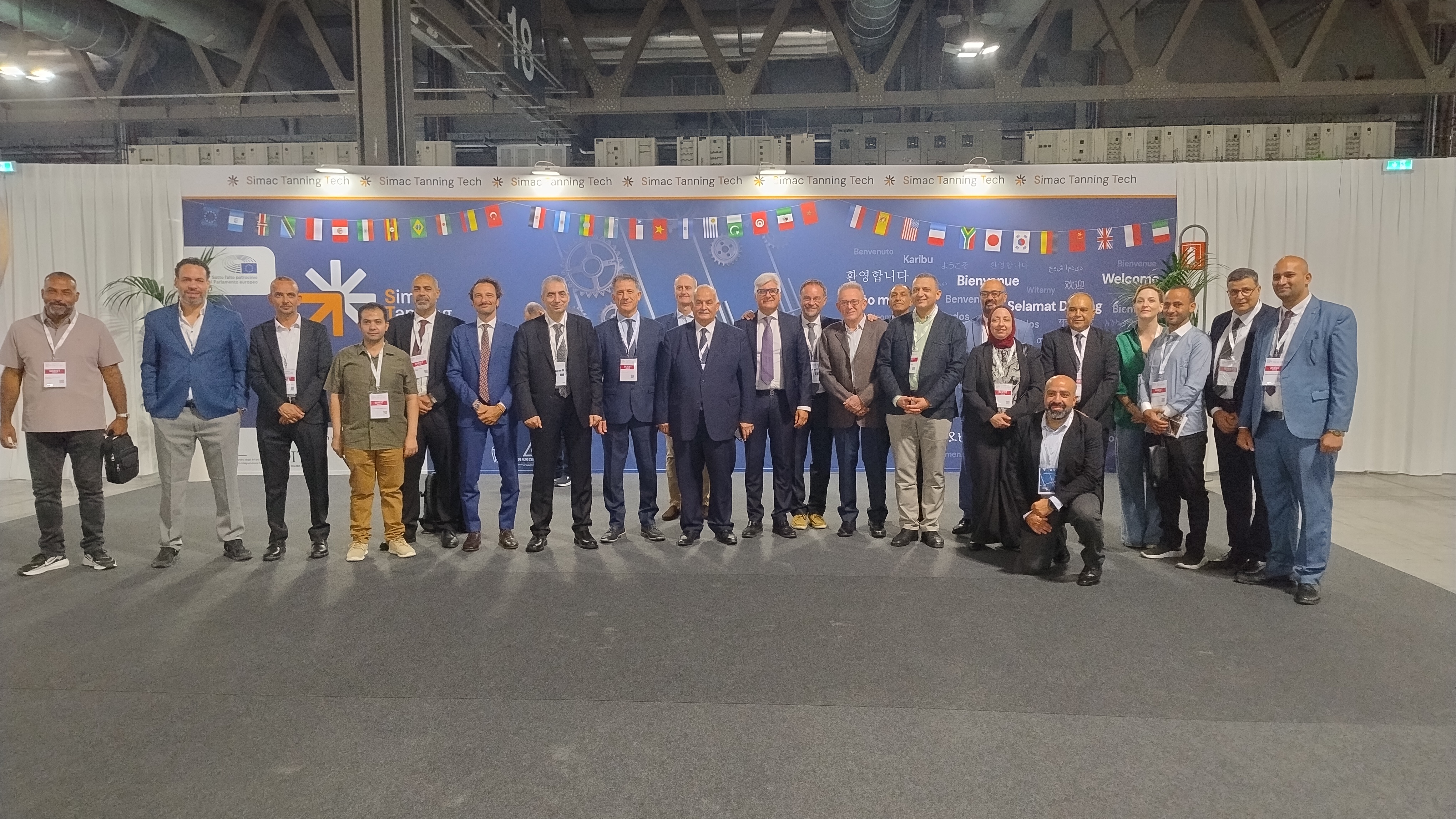
15 September was the central day of the study tour, with the delegation taking part in activities at SIMAC Tanning Tech and LINEAPELLE at Fiera Milano Rho and, above all, in the event “Robbiki Leather City – From Project Implementation to New Development Opportunities”, dedicated to the project’s achievements and the future development of Egypt’s leather value chain.
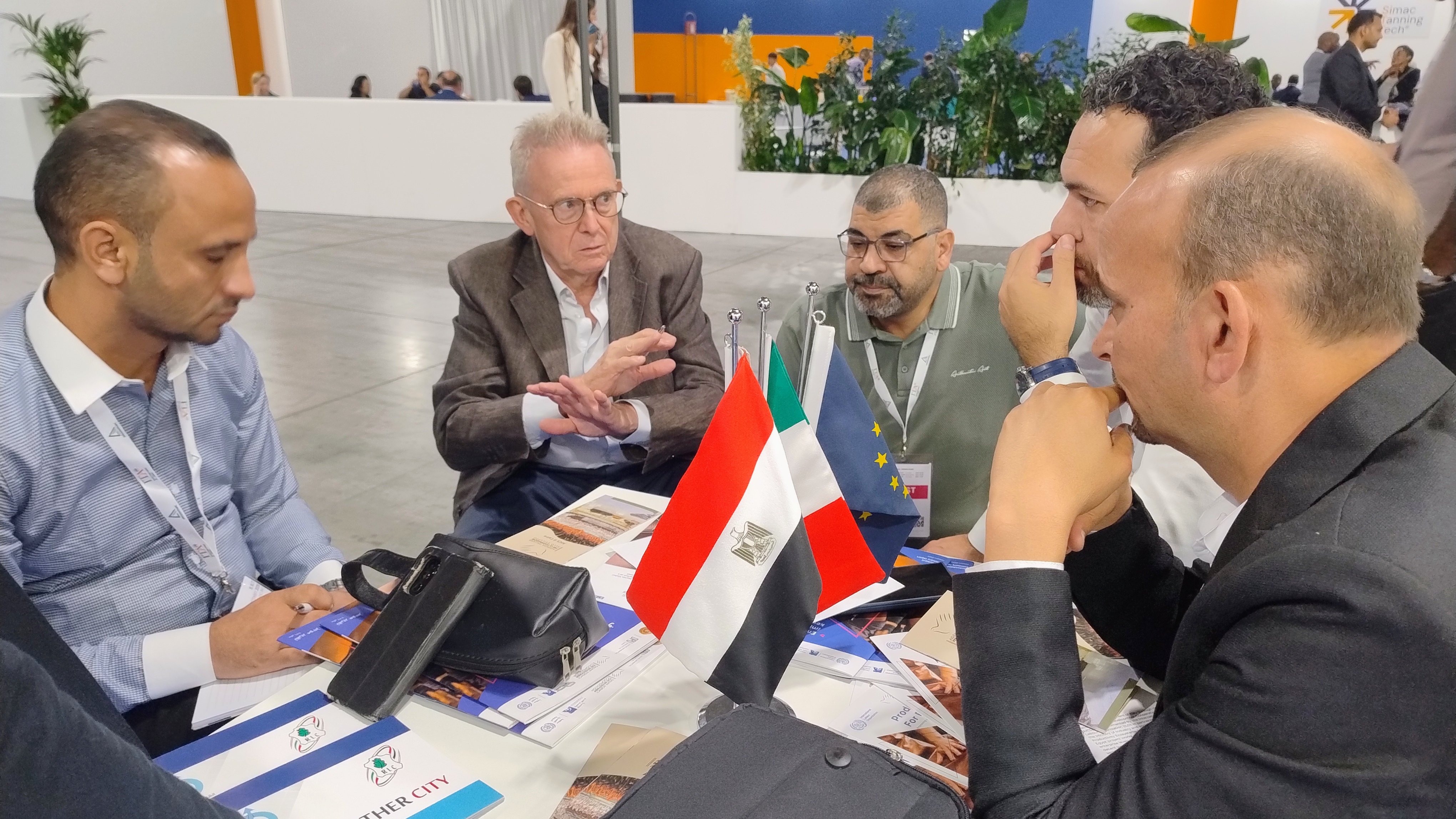
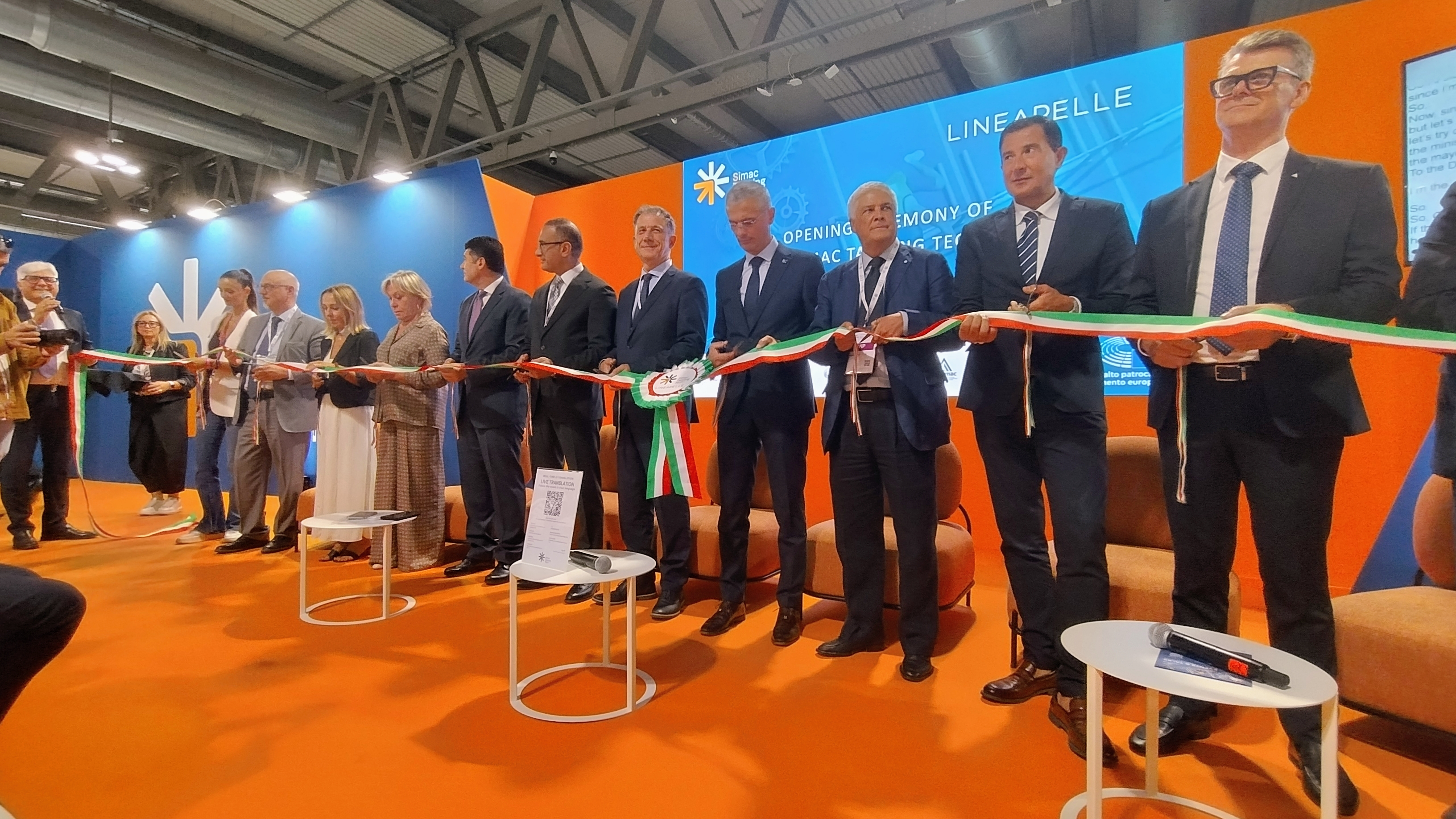
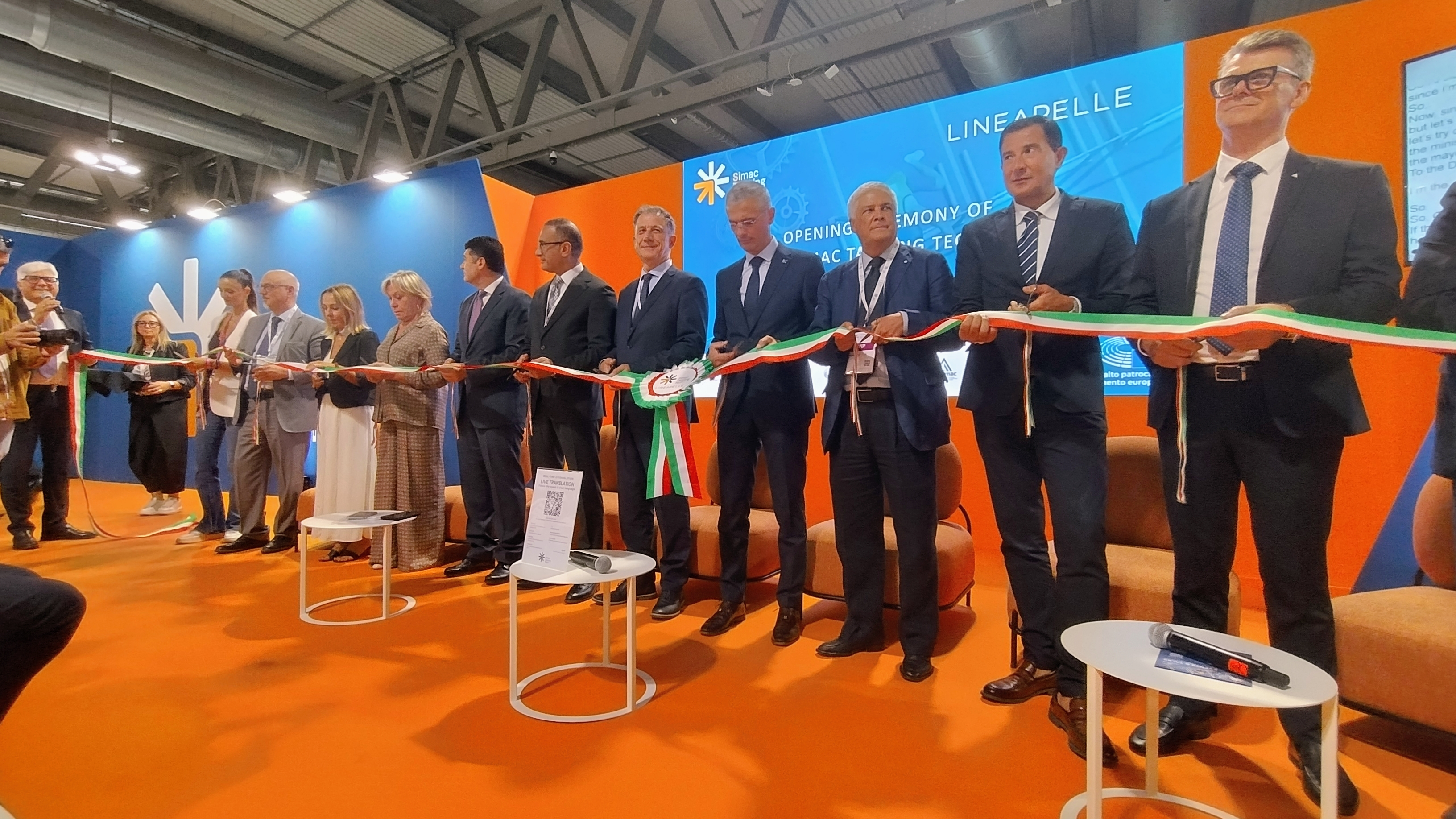
The day began with the opening of SIMAC Tanning Tech, attended by ASSOMAC President Mauro Bergozza, representatives of Italian institutions and members of the Made in Italy industrial system. For the Egyptian delegation, this was an opportunity to engage directly with an ecosystem in which businesses, industry associations, institutions, technical expertise and technologies contribute to the international competitiveness of the value chain.
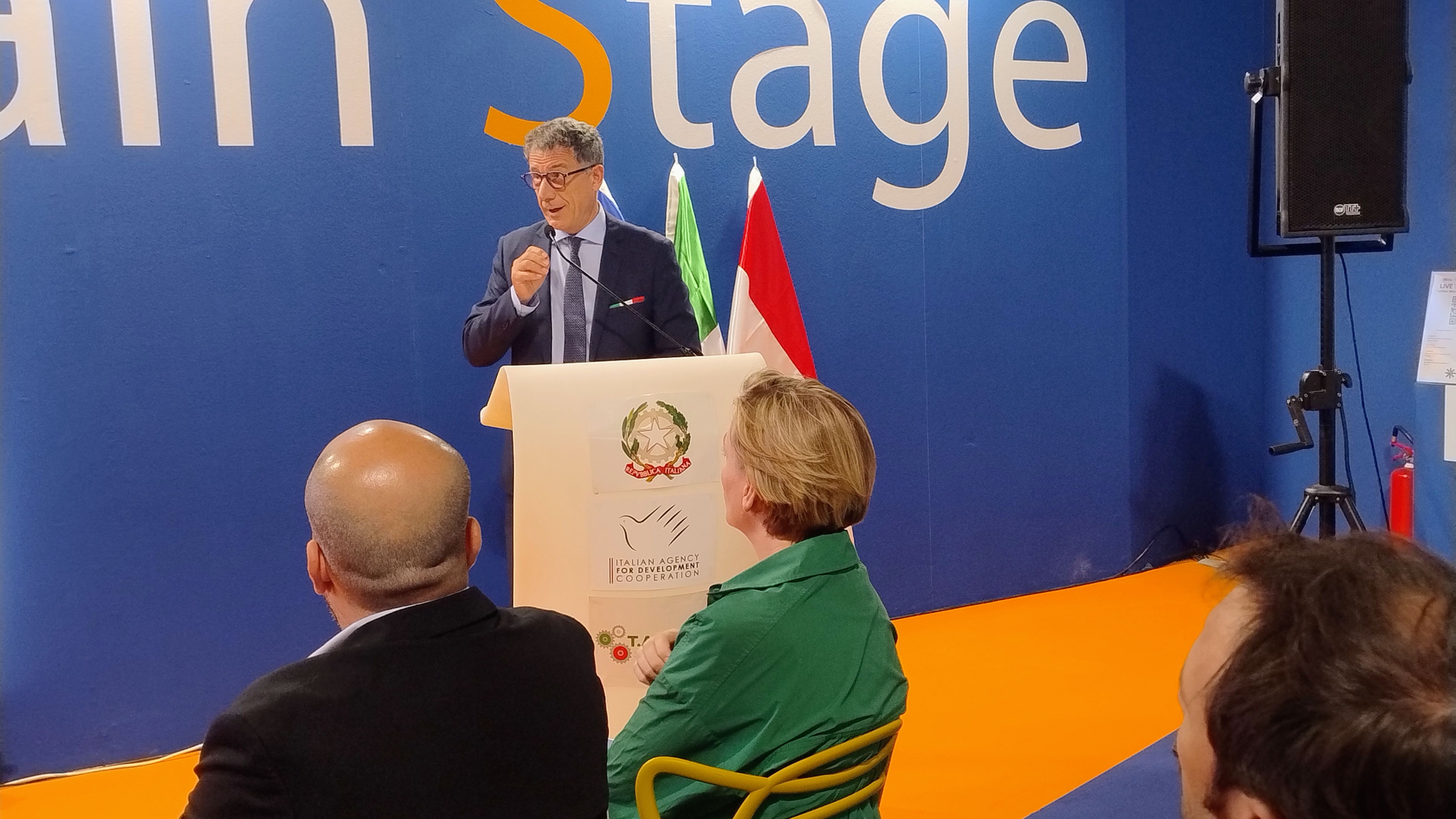
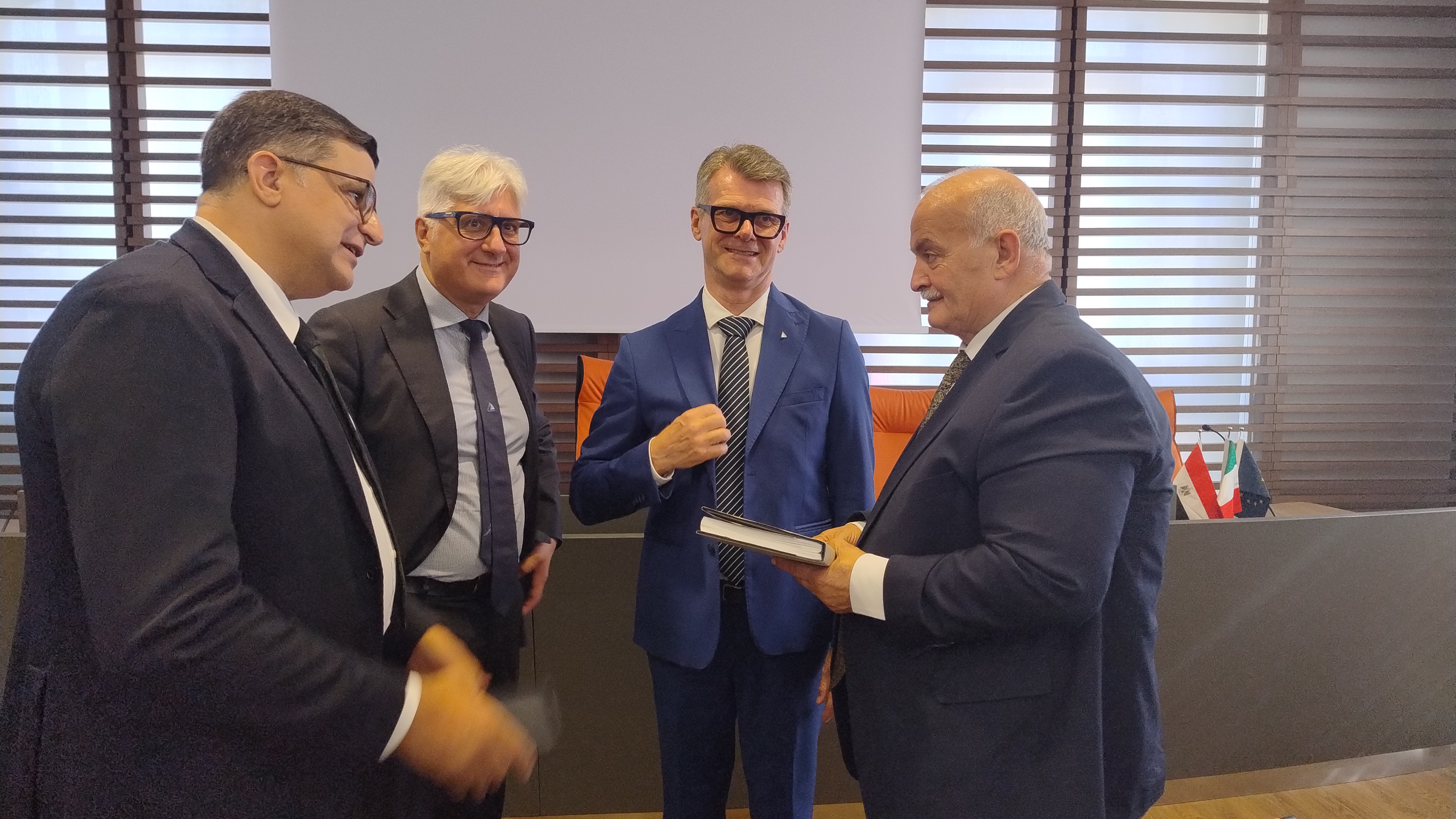
The event “Robbiki Leather City – From Project Implementation to New Development Opportunities” then placed Robbiki’s progress and its transition towards a new phase of development at the centre of the discussion. Organised by ASSOMAC and AICS Cairo, the event brought together representatives of the Egyptian Ministry of Industry, CID, LTTC, AICS, the International Labour Organization (ILO), Fondazione PIN – the Prato University Centre of the University of Florence – and the Italian industrial system.
A particularly significant contribution came from Tiberio Chiari, Director of AICS Cairo, who addressed the role of Italian Development Cooperation in the development of Robbiki Leather City. Chiari highlighted how one of the most important achievements of this process has been the creation of an integrated industrial ecosystem, underpinned by strong links with different actors across the Italian system (Sistema Italia).
As he explained, Robbiki’s development has progressed over time along three closely connected dimensions: infrastructure development; innovation and technology-sharing; and the strengthening of environmental management and employment-related practices. This approach has helped build a bridge between Egypt’s leather value chain and the Italian districts that have contributed to the history of the leather industry and Made in Italy.
Chiari also highlighted how the focus of cooperation is evolving. After years of investment in institutional strengthening, infrastructure and technical capacity, the priority is now to establish direct links between Egyptian and Italian businesses, fostering private investment, technology transfer and long-term industrial relations. The study tour is one of the tools through which this evolution can take shape.
Dr Ahmed Maghawry, Assistant to the Egyptian Minister of Industry for International Cooperation, outlined Robbiki’s strategic role in developing Egypt’s leather industry and the investment opportunities associated with the district’s growth. The discussion highlighted how cooperation with Italy extends beyond the supply of machinery to encompass skills, training, technology, sustainability and the development of an integrated industrial ecosystem.
The roundtable further explored the operational and organisational achievements at Robbiki and its future prospects, with contributions from Fondazione PIN – the Prato University Centre of the University of Florence and an AICS project implementation partner – ASSOMAC, the ILO and representatives of Egyptian institutions. PIN contributed its experience in technical assistance and skills development, while the ILO’s participation brought labour, skills, and social and employment standards into the discussion.
The exchange focused in particular on industrial development, technological innovation, sustainability, training and skills transfer, business services, and compliance with environmental, occupational health and safety standards. The aim was not to replicate the Italian model automatically, but to identify elements of Italian experience that could be adapted to Robbiki’s needs and development prospects.
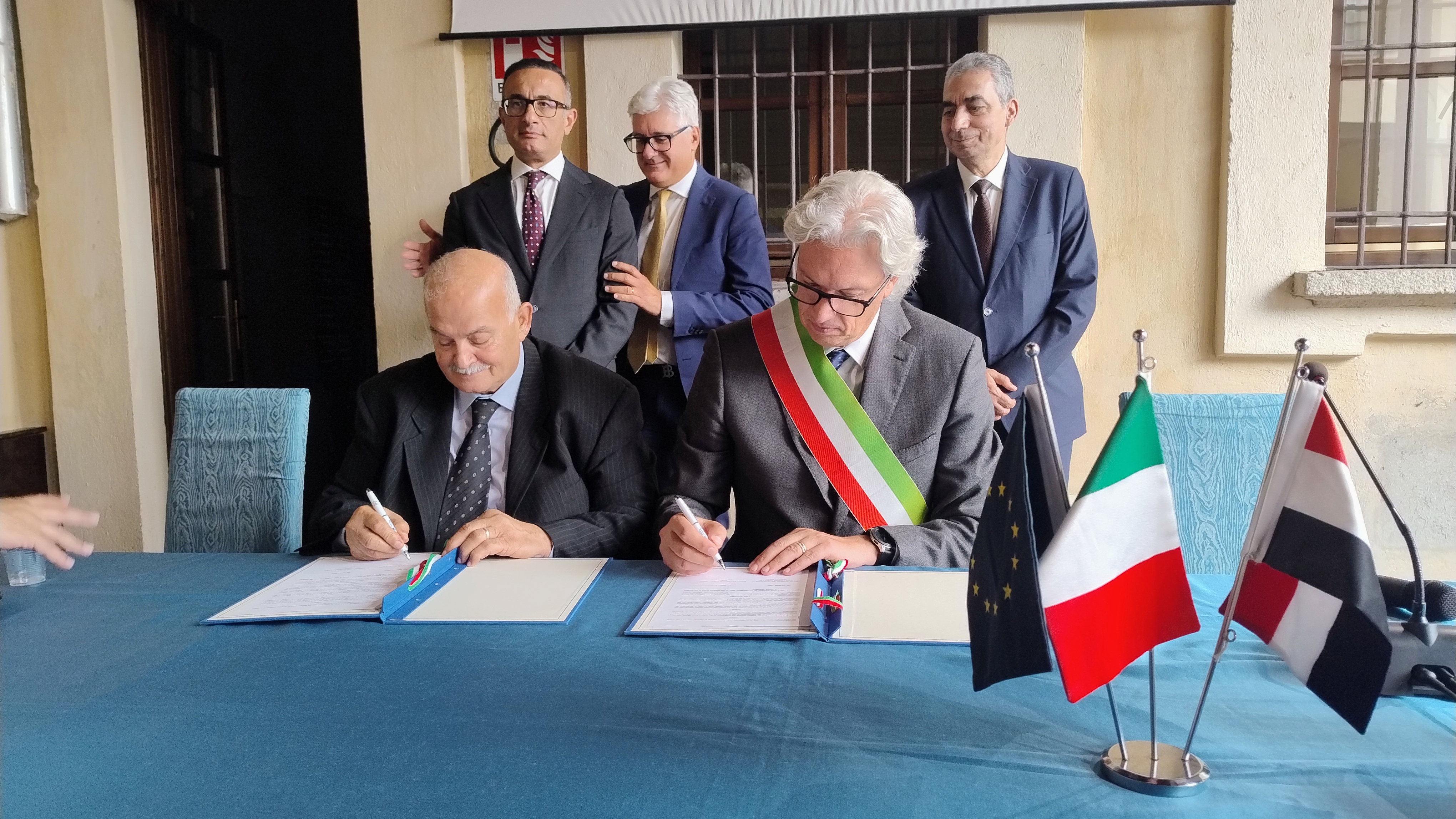
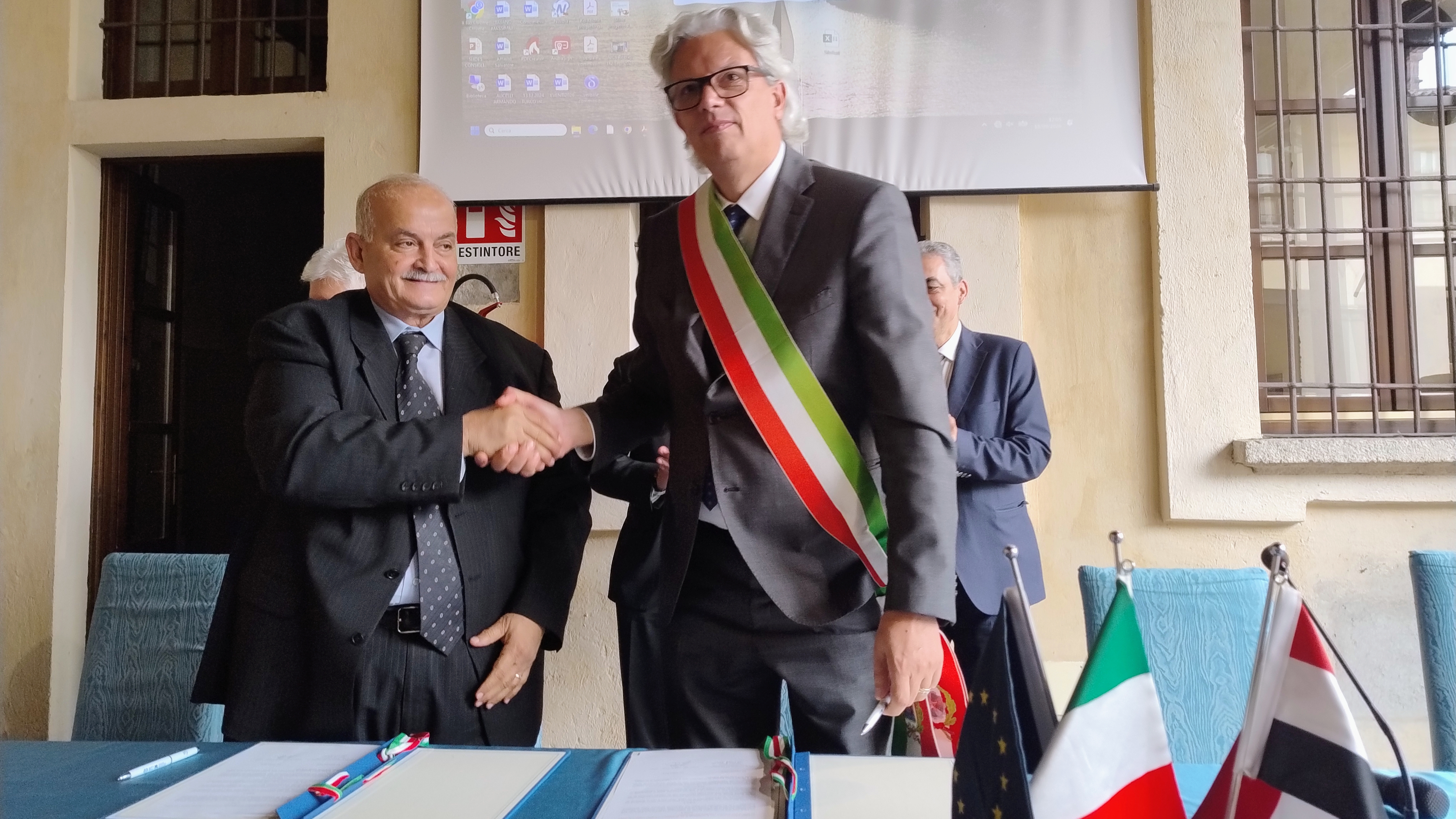
The day concluded with the signing of two Memoranda of Understanding, translating the discussions into new forms of cooperation: one between the Leather Tanning Technology Centre, the University of Florence and Fondazione PIN, and another between LTTC and ASSOMAC. The agreements opened up new prospects for technical cooperation, training, knowledge transfer and the development of industrial relations between Italy and Egypt.
16 September – Technologies and skills for competitiveness
On 16 September, the programme focused on technologies and machinery used in leather processing.
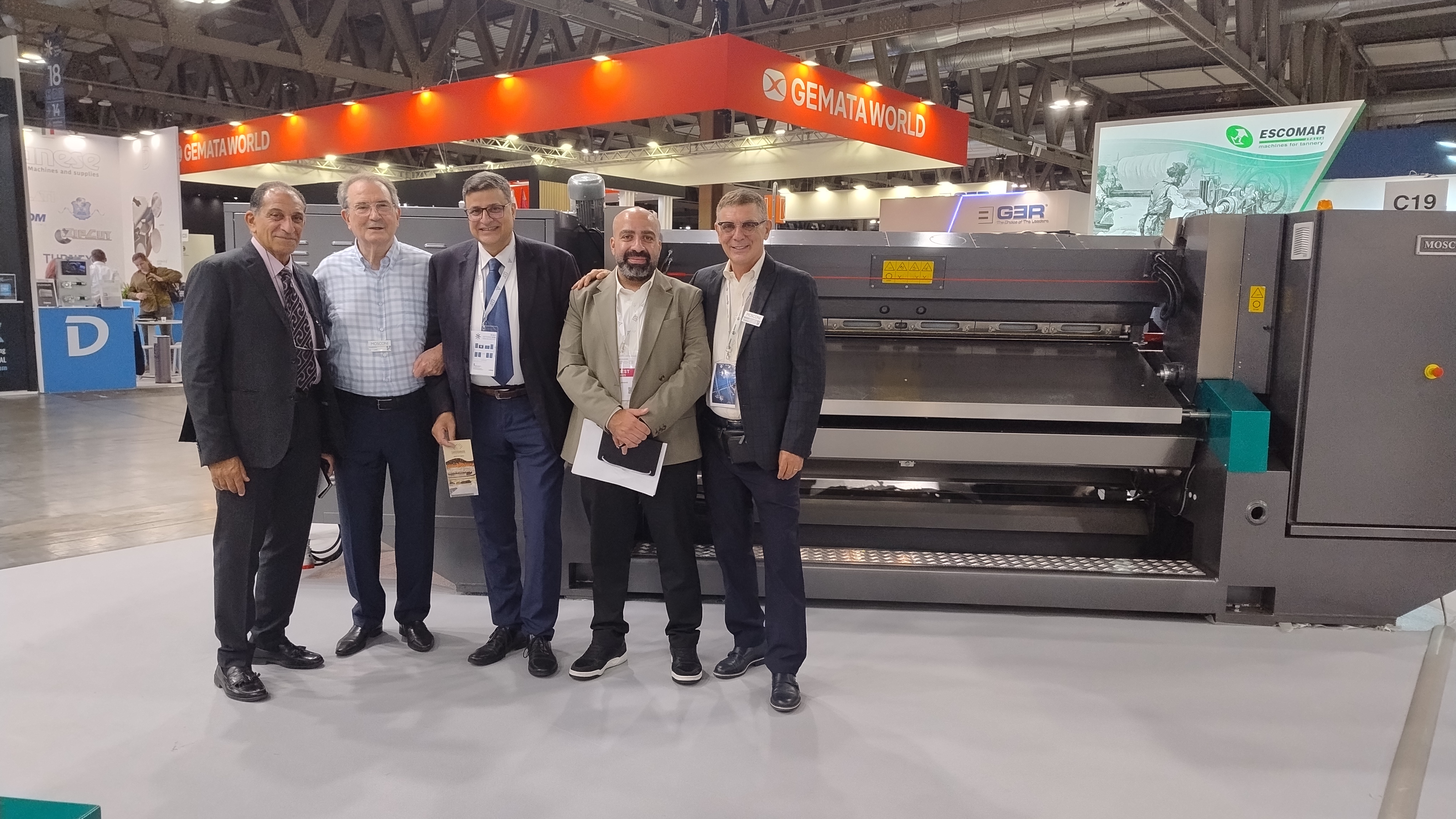
The delegation met specialised Italian companies, including Mostardini, Mosconi and Officine di Cartigliano, discussing the use and maintenance of machinery also installed at the Leather Tanning Technology Centre in Robbiki.
The meetings highlighted how access to technology must be accompanied by the technical skills needed to ensure its proper use, maintenance and long-term efficiency.
Training activities for Egyptian technicians continued in parallel, with particular attention to production processes and their organisation.
Direct exchanges with Italian manufacturers also created new opportunities to discuss potential forms of technical assistance and future cooperation.
17 September – From technology to the value chain
On 17 September, the delegation continued its activities at SIMAC Tanning Tech and LINEAPELLE, broadening the focus from leather tanning to the wider leather and footwear value chain.
Meetings with ASSOMAC and Assocalzaturifici provided insights into the Italian production system and the relationships between manufacturing companies, technology providers, service suppliers and other value-chain operators.
At LINEAPELLE, the delegation explored components, accessories, innovative materials and technological solutions for footwear and leather goods, with particular attention to their potential applications in the Egyptian context.
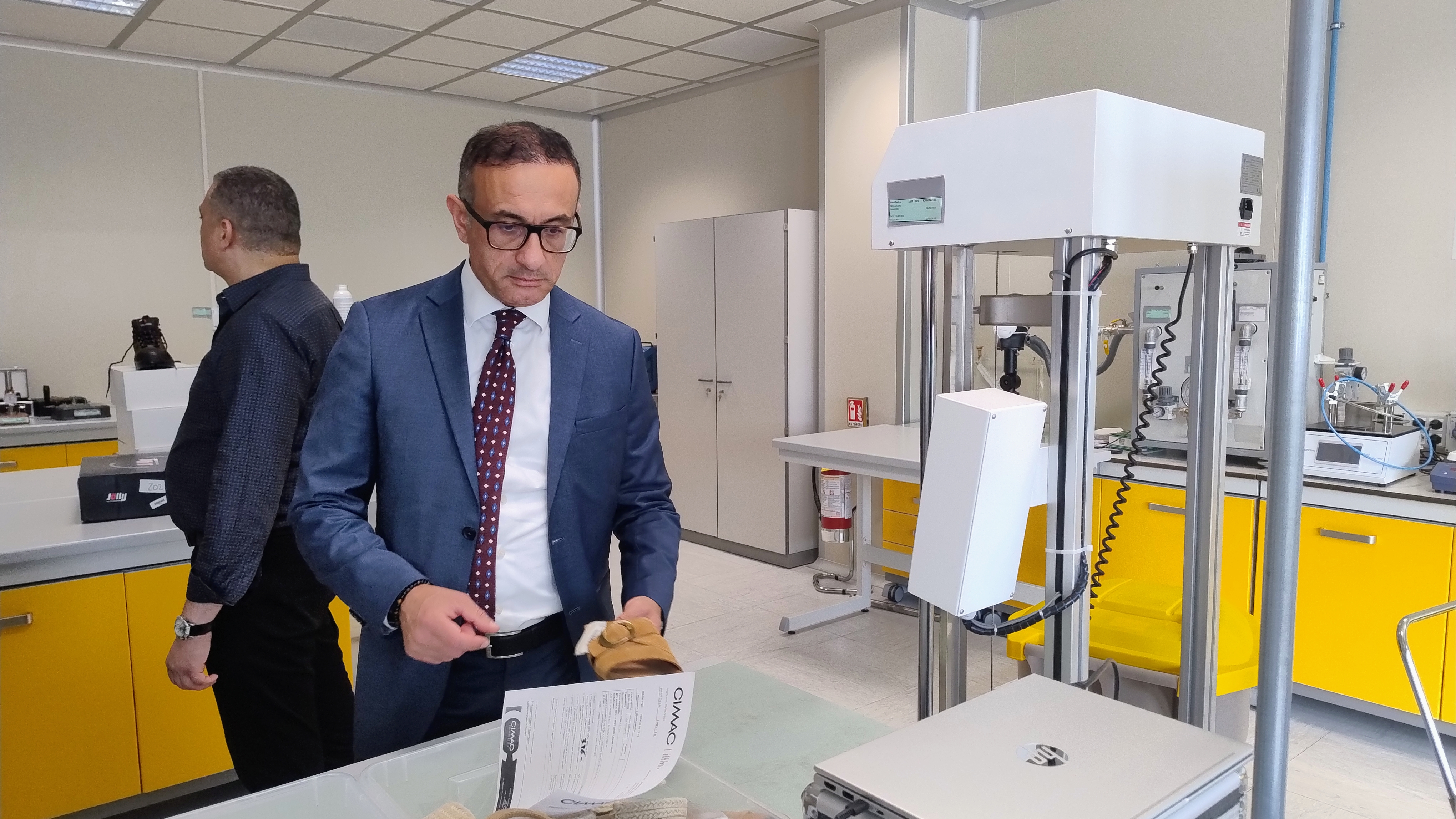
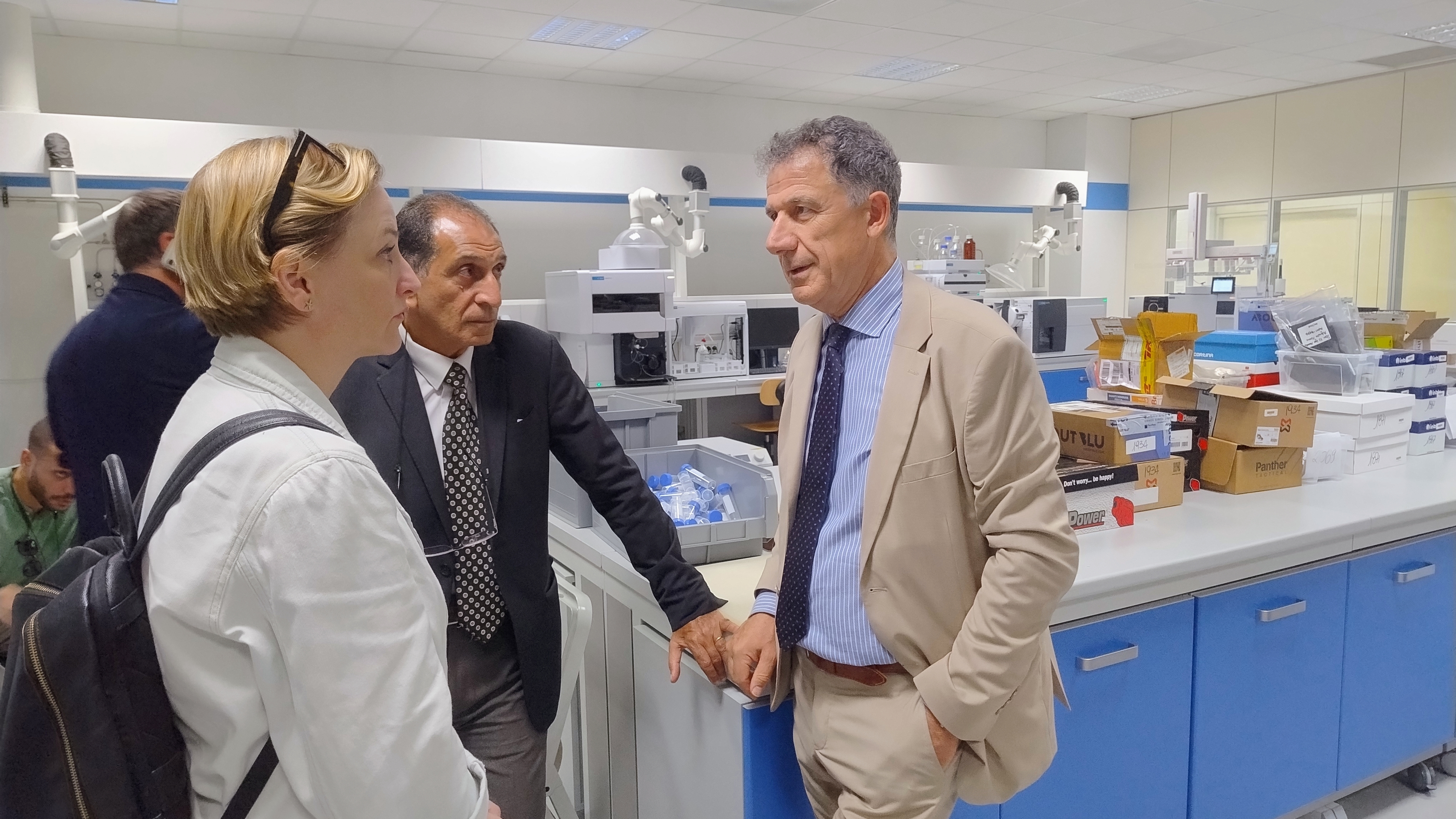
Technical discussions also continued on LTTC’s laboratories and the technologies and management systems needed to support their development towards international standards and certification requirements.
Meetings with Italian companies interested in the Egyptian market opened up a further area of discussion: opportunities for industrial cooperation and investment in Robbiki.
This is where development cooperation can create new prospects for private-sector involvement. As the project’s development pathway demonstrates, investment in infrastructure, skills and services can help create the conditions for businesses and investors to contribute further to the district’s growth.
18 September – Turbigo: The history of an industrial district and the future of Robbiki
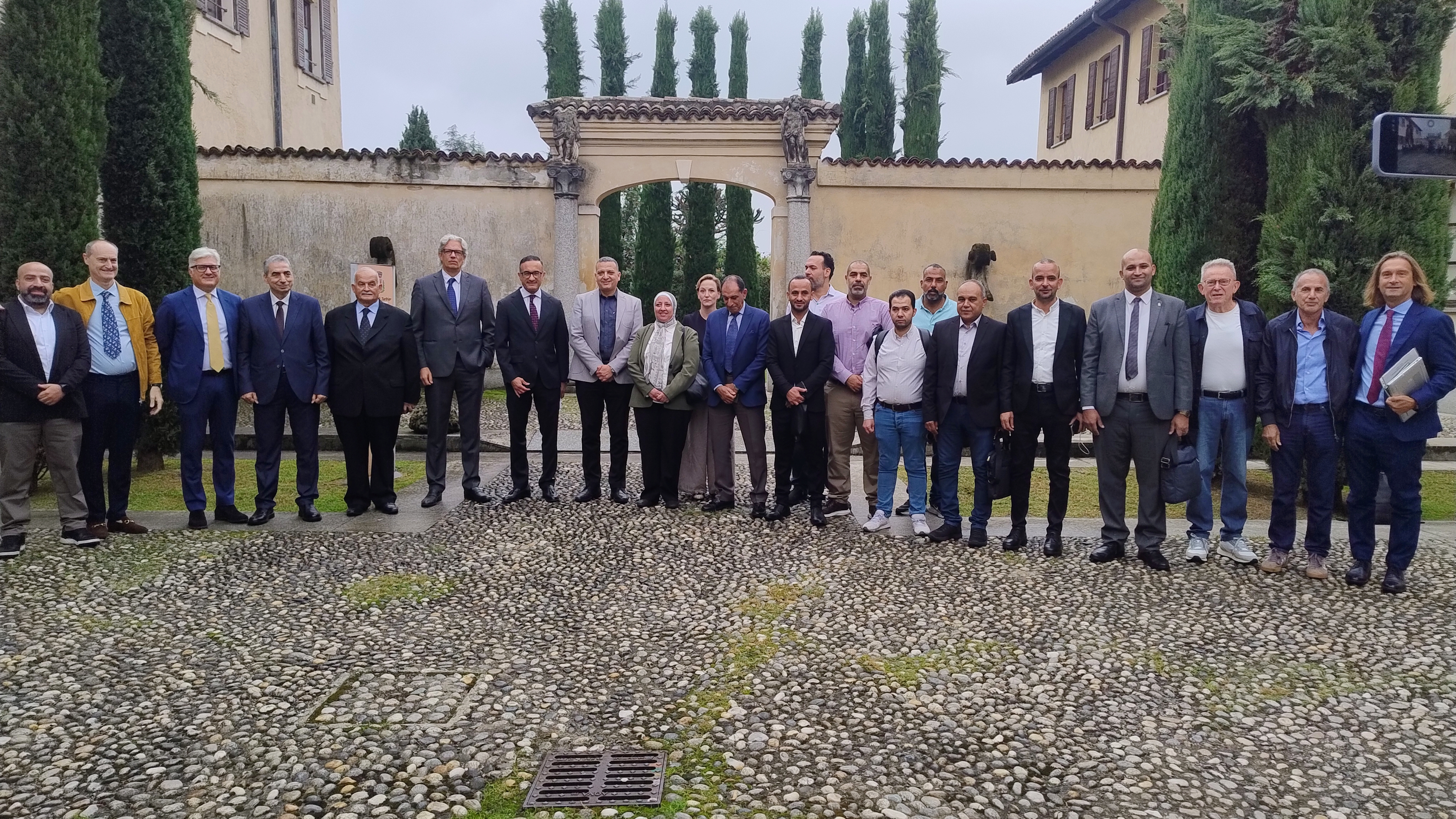
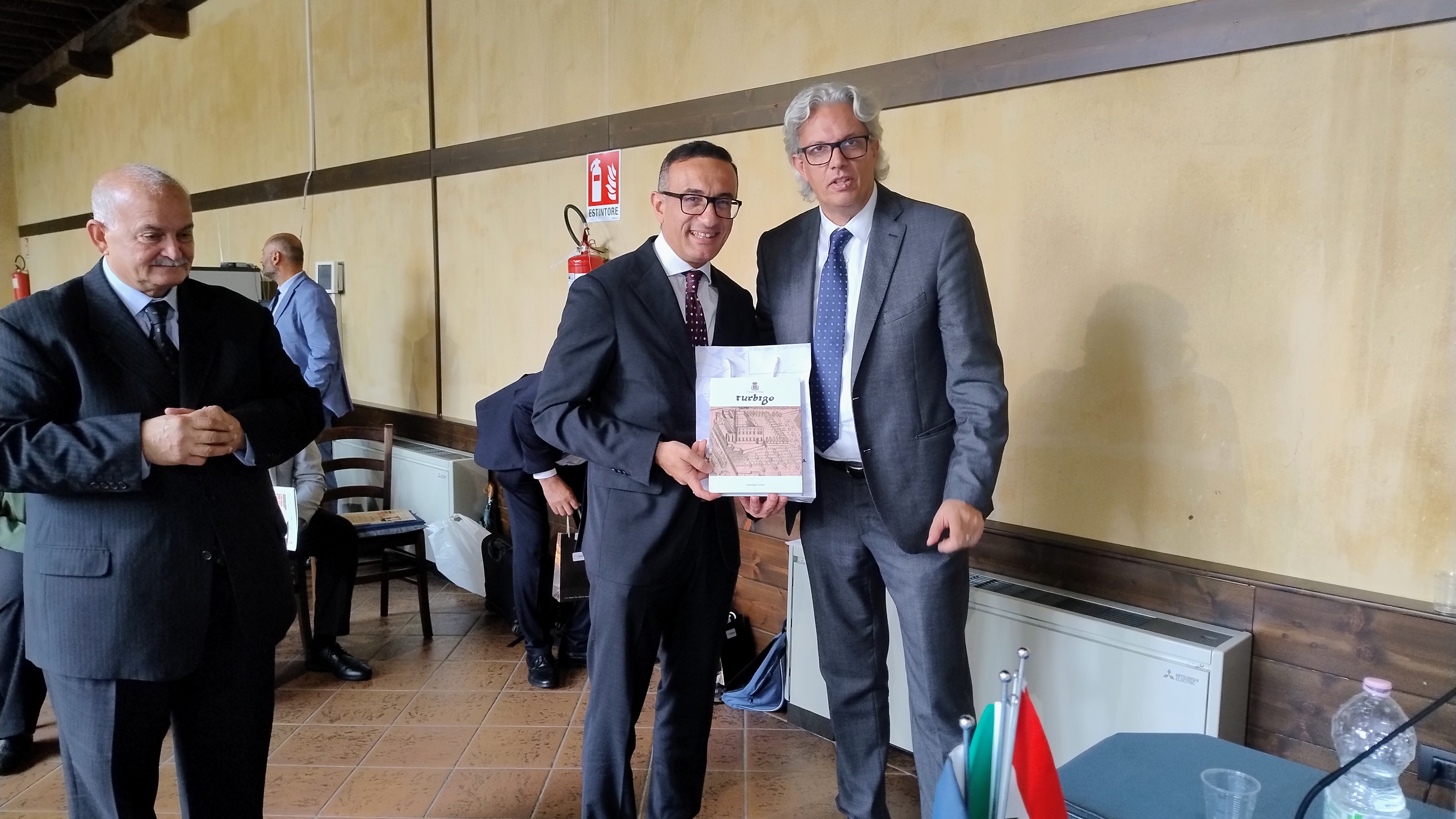
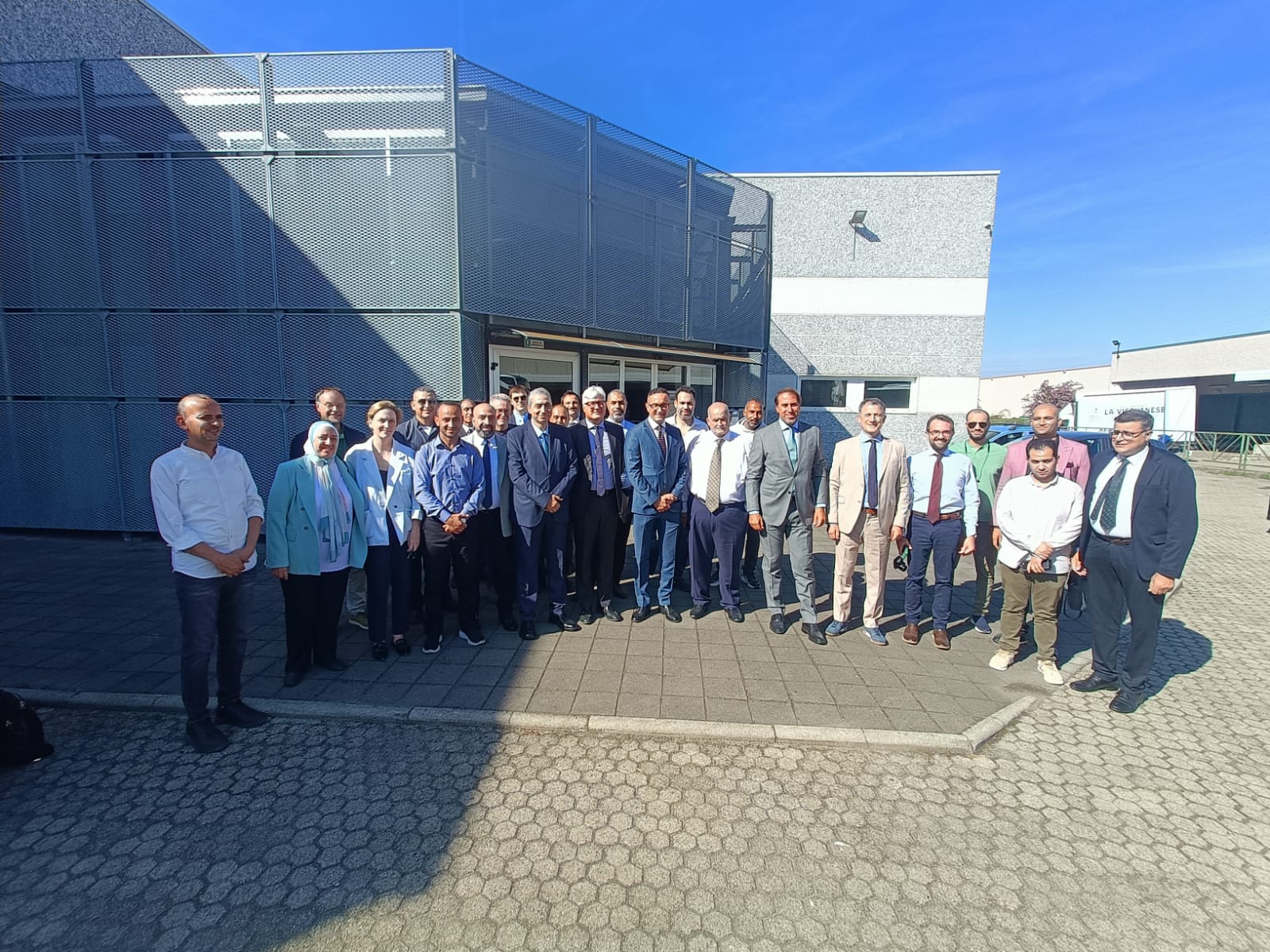
The mission concluded on 18 September in Turbigo, with a day dedicated to the relationship between industry, local communities, the environment and skills development.
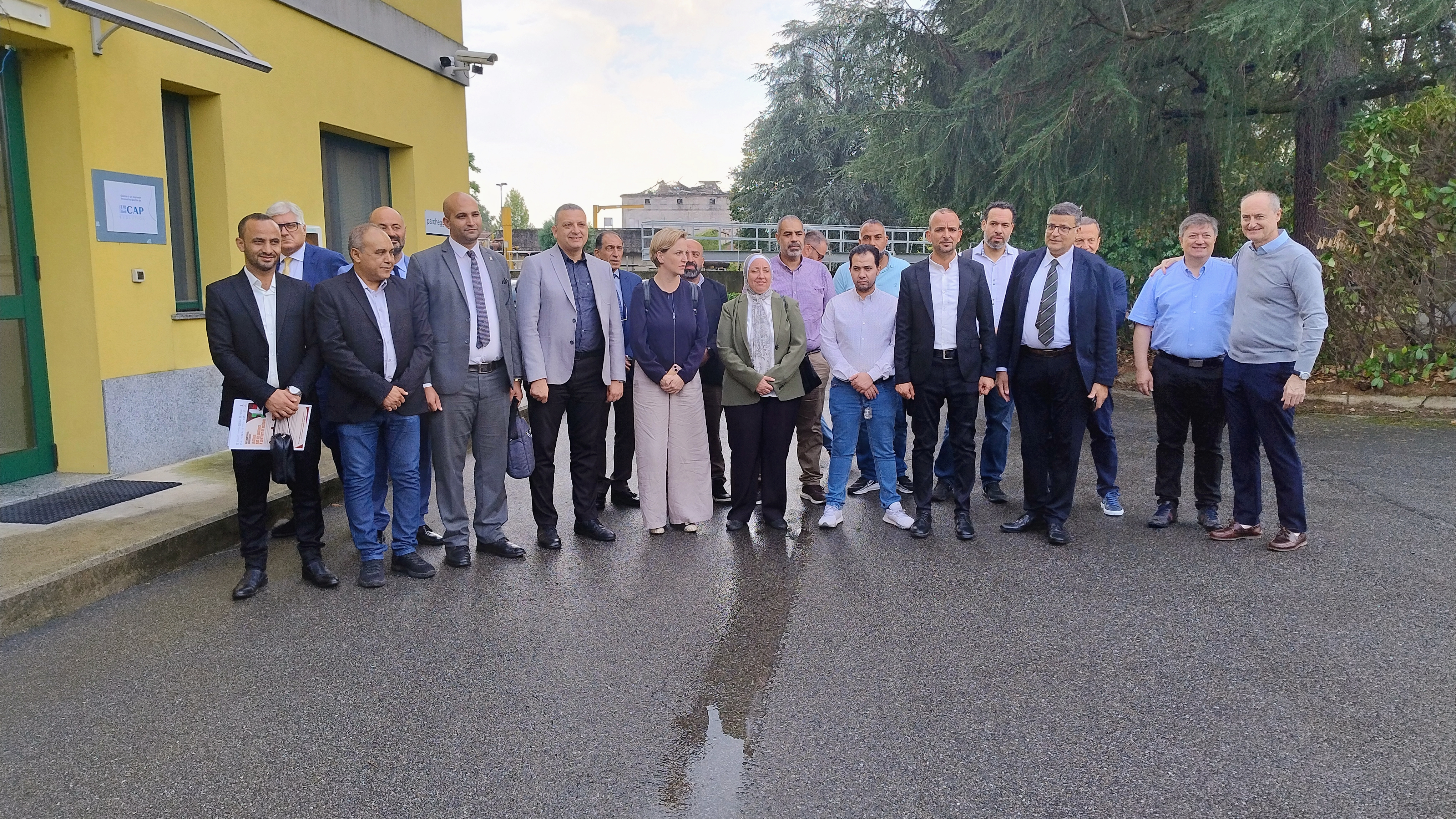
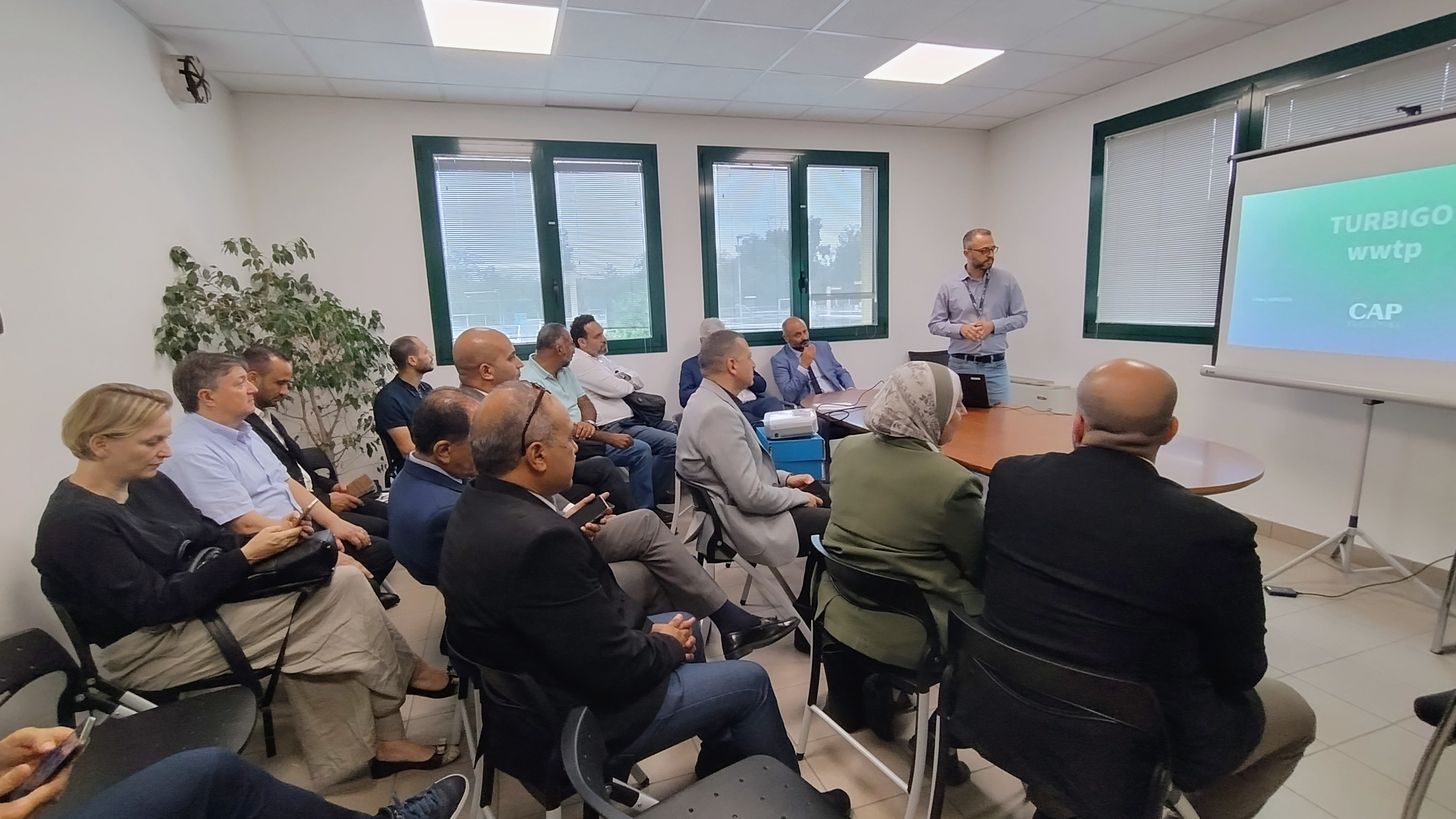
The delegation also visited the wastewater treatment plant operated by Gruppo CAP, gaining insights into the role of environmental infrastructure in managing an industrial area.
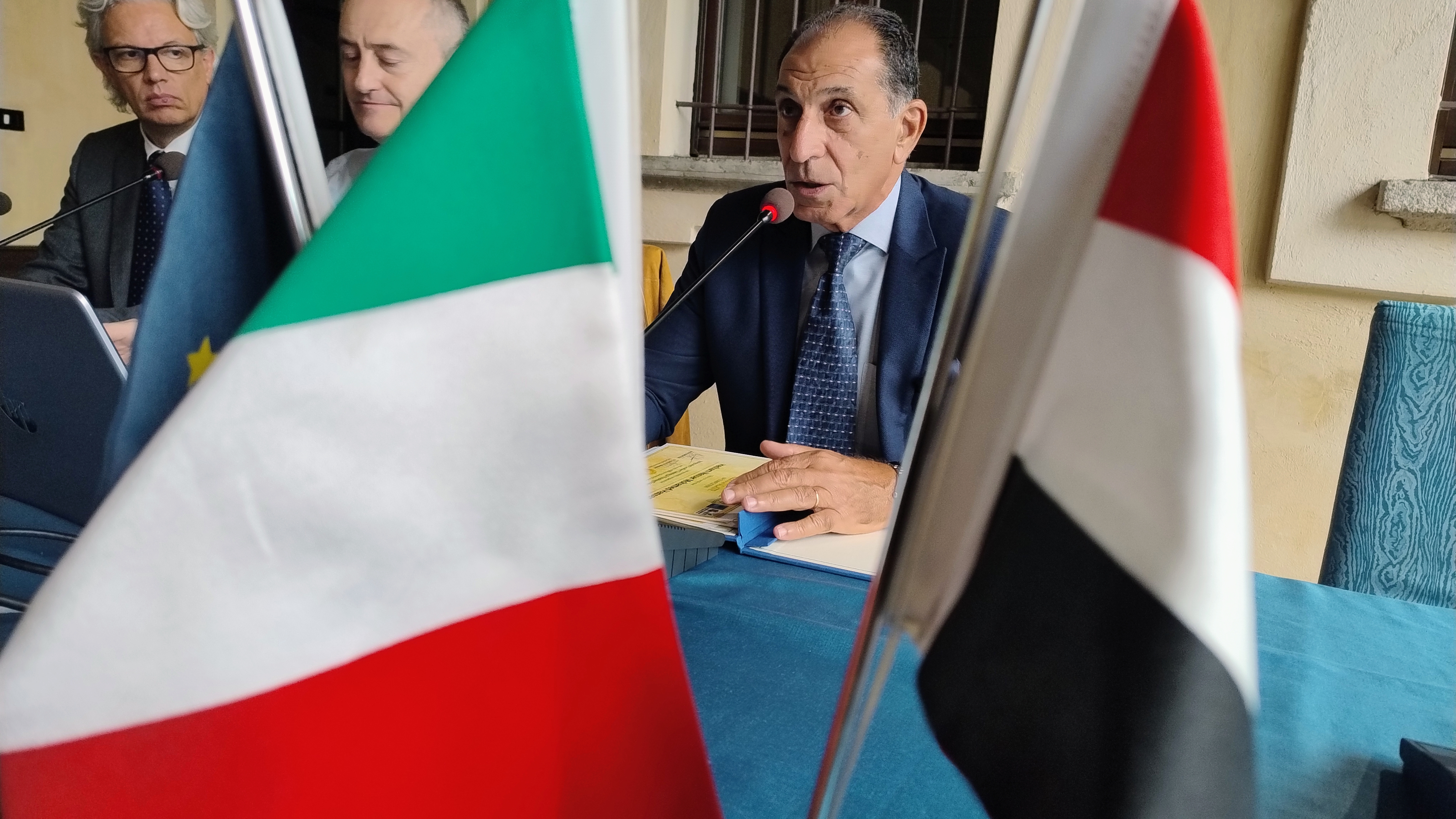
In the morning, the international conference “Leather and its District, a Century of History” took place in the Town Council Chamber, focusing on the history and evolution of the leather district.
The day opened with remarks by Turbigo Mayor Fabrizio Allevi and the head of the Egyptian delegation. Contributions included a presentation by Professor Christian Garavaglia, Professor of Industrial Economics at the University of Milano-Bicocca and Regional Councillor of Lombardy, on the industrial, economic and social evolution of the area.
Other speakers included local historian Dr Giuseppe Leoni, Francesco Bellone, CEO, and Dr Giancarlo Lovato, Vice President of the International Union of Leather Technologists and Chemists Societies (IULTCS).
The day offered the delegation a further perspective on the Italian model: an industrial district shaped by a long history and built over time through businesses, skills, institutions, infrastructure and strong ties with the local area.
The mission concluded with a discussion on opportunities to further strengthen cooperation between Italy and Egypt in the leather sector, including through new forms of collaboration between institutions, technology centres and businesses.
From a development cooperation project to an industrial ecosystem
The study tour provided a concrete illustration of how the development of Robbiki Leather City is evolving.
Italian Development Cooperation’s work has gone beyond providing infrastructure and equipment. Through its programme, AICS has supported the creation of the conditions needed for a modern industrial district to function: technical skills, business services, management capacity, training, laboratories and technologies.
This foundation now makes it possible to open a further phase, in which stronger links with the Italian industrial system can foster new forms of business cooperation, technology transfer, specialised training and investment.
Robbiki is therefore a concrete example of how development cooperation can help create the conditions for other actors to become involved and contribute to the growth of a value chain.
In this sense, the study tour in Italy marked a step from development cooperation towards industrial cooperation and sustainable investment, connecting the progress achieved in Egypt with the experience, technologies and expertise of the Italian production system.
For Italy and Egypt, the challenge in the coming years will be to consolidate these relationships and turn the contacts established during the mission into concrete opportunities for the leather value chain, strengthening Robbiki’s position as a competitive and sustainable industrial district.