
Environment

In this sector, the Italian Cooperation, in collaboration with the Egyptian Environmental Affairs Agency of the Egyptian Ministry of the Environment, continues its support in environmental protection through the Egyptian-Italian Environmental Cooperation Program (EIECP) through the promotion of sustainable natural resource management mechanisms and the promotion of protected areas through the engagement of the local communities.

Reading time:

2 min

In Egypt, population growth and human activities have far-reaching environmental consequences. The pressure on natural resources, further exacerbated by the adverse effects of the climate crisis, has a significant impact on the resilience of ecosystems.

With the majority of the population concentrated along the Nile and in its Delta, rising temperatures, increasing water scarcity, uncontrolled urbanisation and soil degradation are undermining the sustainability of natural and socio-economic systems. These factors intensify competition for natural resources, while at the same time exacerbating the challenges of social and economic inclusion, prompting many young people and families to move away from their home towns.

In this scenario, environmental protection and conservation, through the sustainable management of agricultural production activities, are priority objectives for cooperation initiatives. The initiatives promoted by the Office help strengthen the resilience of rural communities by mitigating the economic impact of environmental degradation and fostering alternative development opportunities that help protect the environment. The Italian Development Cooperation’s activities are fully aligned with Egypt Vision 2030 and the National Climate Change Strategy 2050, supporting national priorities in the areas of environmental sustainability, green growth and social inclusion.

During 2025, with a portfolio of €4.8 million, the Office was supporting two initiatives under the multilateral grant channel, both aimed at promoting circular and green economic models by offering economic and environmental development solutions that make use of livestock manure and agricultural residues.

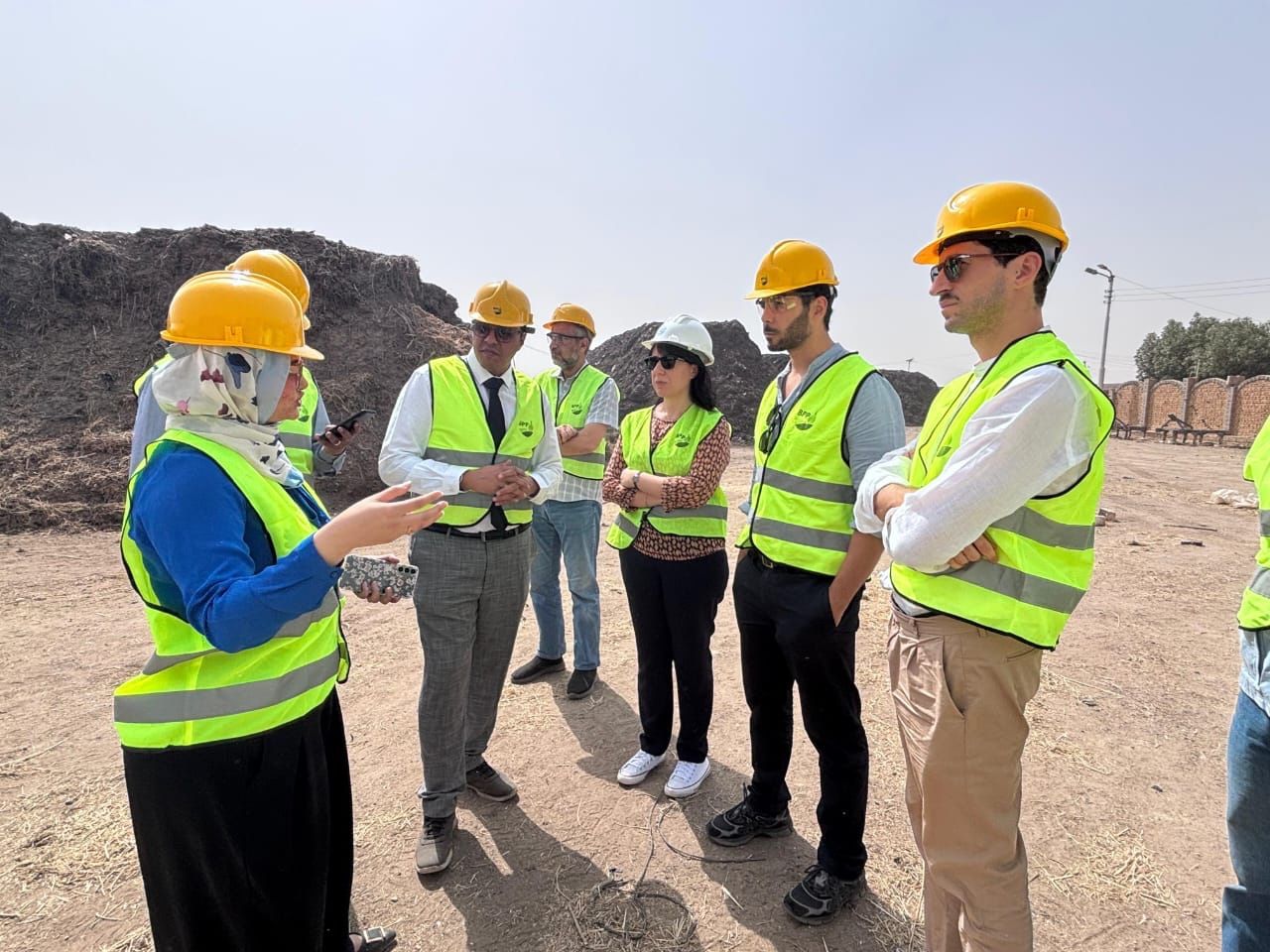
Through the Inclusive Green Growth in Egypt initiative – using blended finance instruments – Italy is supporting the construction of a pilot-scale pyrolysis plant aimed at optimising the treatment of agricultural waste. The process makes it possible to control the degradation of biomass and maximise the recovery of high value-added products, such as biochar, syngas and pyroligneous acid.

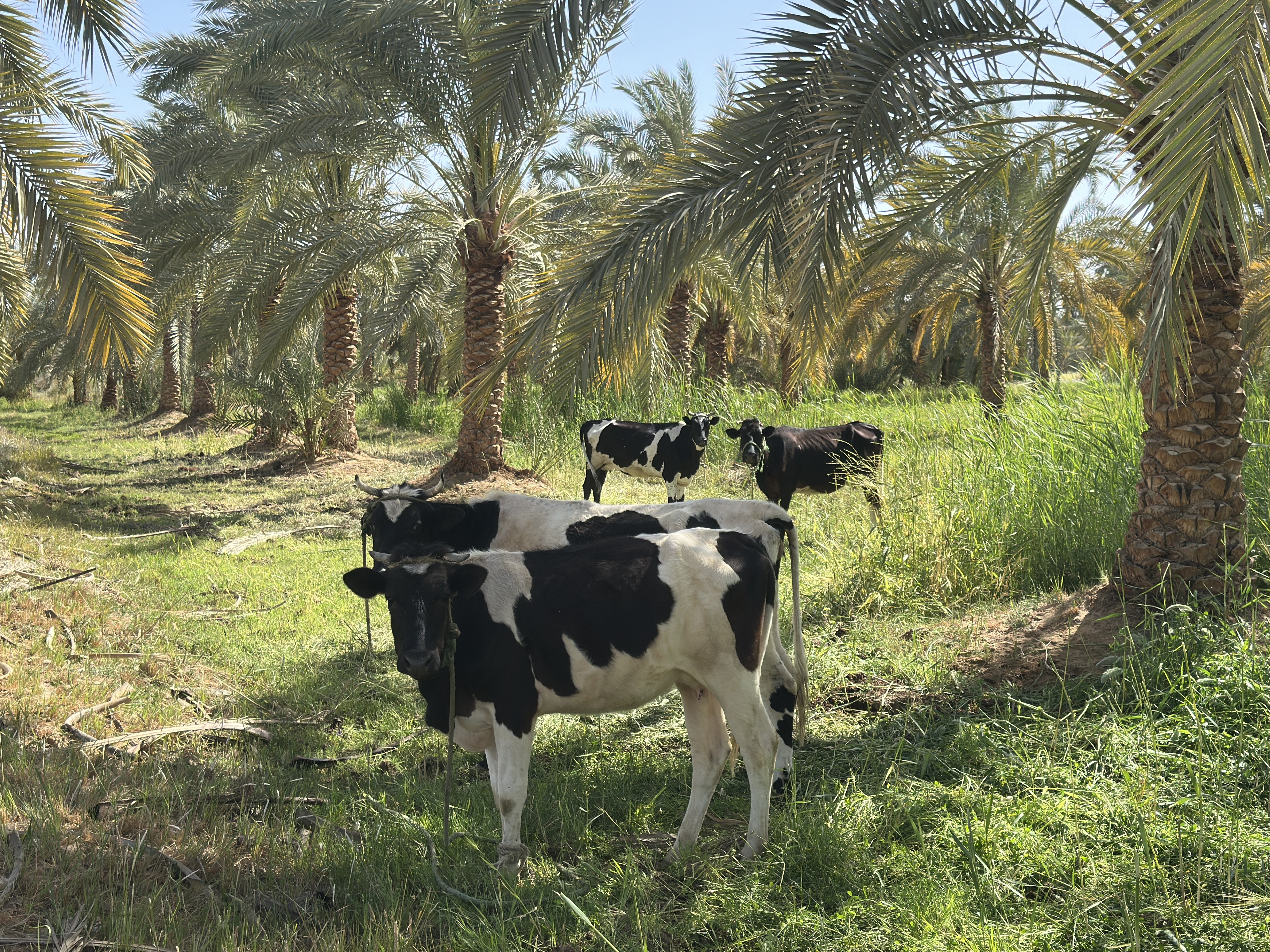
At the same time, the project “Tackling climate change through the sustainable management of livestock farming” has been developed in response to the growing demand for animal protein in Egypt, which entails risks linked to antimicrobial resistance, the spread of animal diseases and increased greenhouse gas emissions. By promoting the One Health approach and drawing on the expertise of the Experimental Zooprophylactic Institute of Abruzzo and Molise (IZSAM), the project adopts an integrated approach that recognises the interconnection between animal, human and environmental health. The aim is to strengthen the resilience of livestock systems and contribute to the development of sustainable and safe agri-food systems with reduced environmental impacts.

The initiative also aims to integrate the livestock sector into the circular bioeconomy through the production of biogas. This approach helps promote the sequestration of greenhouse gases, including by reducing the amount of antibiotics entering the water-soil system from livestock farms, and by enabling the sustainable production of renewable energy.

Taken together, these measures help reduce the environmental vulnerability linked to agricultural production systems and promote inclusive development, demonstrating how environmental challenges can be transformed into opportunities for sustainable development and the strengthening of resilience.
On-going Initiatives

Total Funding: € 3.100.000
Place of Intervention: Egypt (Fayoum Governorate and Red Sea Governorate)
Description: The initiative aims to support the Egyptian Environmental Agency Affair of the Ministry of the Environment promoting community- based income generation mechanisms for the management of protected areas. The program supports eco-tourism activities to strengthen local communities living in and next to protected areas and at the same time supporting the conservation of the natural resources.
Implementing Partner: United Nations Development Program (UNDP)
Local Partner: Ministry of Environment
Duration: 5 years
SDGs: SDG 15, SDG 13, SDG 14

Total Funding:  EGP 16.953.297
Place of Intervention: Egypt (15 May, Governorate of Cairo)
Description: The project contributes to the development of the “Zabbaleen” community (i.e. those who collect and sort urban waste) in the May 15 district of the Cairo Governorate
Implementing Partner: Informal Settlements Development Funds (ISDF)
Local Partner: Ministry of International Cooperation
Duration: 12 months
SDGs: SDG 11

Total Funding: € 800.000
Place of Intervention: Egypt (Governorates of Luxor, Quena and Beni Suef)
Description: The project contributes to the efforts of the Egyptian government, and in particular the Ministry of Trade and Industry, to stimulate growth, productivity and job creation in Egypt in the green sector, and the Ministry of Environment to safeguard the environment through the upgrading of municipal and agricultural solid waste. The project implements concrete actions that will contribute to the development of a green economy in the country.
Implementing Partner: United Nations Industrial Development Program (UNIDO)
Local Partners: Ministry of Trade and Industry and Ministry of Environment
Duration: 24 months.
SDGs: SDG 7, SDG 8, SDG 9, SDG 13

Total Funding: € 4.000.000
Place of Intervention: Egypt (Governorate of Damietta and Kafr El-Sheikh)
Description: The project aims to reduce the contribution of the livestock system to climate change, strengthen the resilience of farms and respond to the emergence of antimicrobial resistance through the adoption of environmentally friendly livestock practices and mitigation measures for antimicrobial resistance (AMR). The action aims to increase energy production from animal waste through biogas production, reduce the intensity of greenhouse gas emissions through improved livestock productivity and promote interventions that reduce AMR.
Implementing Partner: FAO
Local Partners: Ministry of Agriculture and Land Reclamation
Duration: 36 months
SDGS: SDG 1SDG 2SDG 3SDG 7SDG 13

Last update: 30/07/2026, 13:43

Inclusive Green Growth in Egypt (IGGE)

The project supports the establishment of a pilot pyrolysis plant designed to enable the controlled conversion of agricultural waste while maximizing the value of its by-products. At the same time, the project provides business development support and specialized advisory services to micro, small and medium-sized enterprises (MSMEs) operating along the agricultural and municipal waste value chains.

Environment Read more The project supports the establishment of a pilot pyrolysis plant designed to enable the controlled conversion of agricultural waste while maximizing the value of its by-products. At the same time, the project provides business development support and specialized advisory services to micro, small and medium-sized enterprises (MSMEs) operating along the agricultural and municipal waste value chains.

TACLIM

Building on IZSAM's extensive experience in applying the One Health approach—which recognizes the close interconnection between animal, human, and environmental health—the project promotes a more sustainable, safe, and climate-resilient livestock production model

Environment Read more Building on IZSAM's extensive experience in applying the One Health approach—which recognizes the close interconnection between animal, human, and environmental health—the project promotes a more sustainable, safe, and climate-resilient livestock production model