
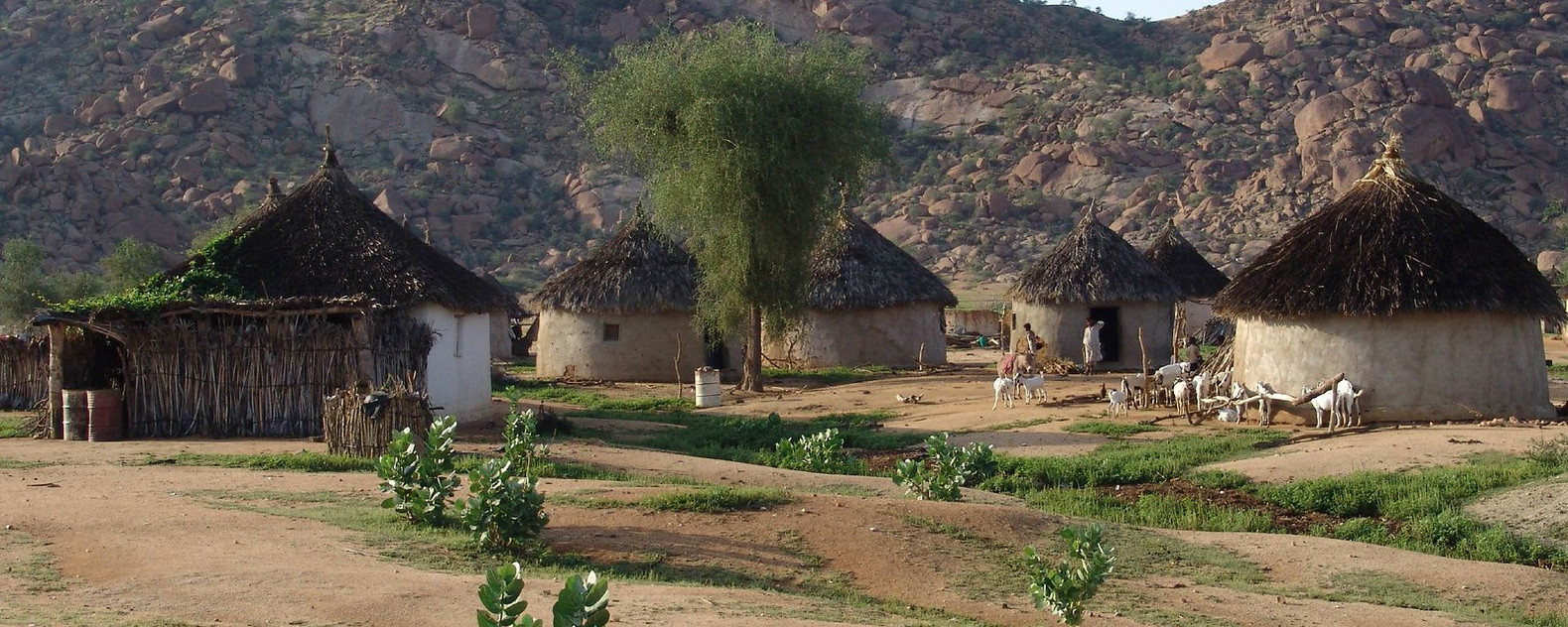
Through the ARIS (Sustainable Irrigated Agriculture for Smallholder Farmers in the Arid and Semi-Arid Areas of the Maekel, Anseba and Gash-Barka Regions) initiative, the Italian Agency for Development Cooperation (AICS) supports the promotion of an integrated agroecological approach in Eritrea that combines environmental sustainability, social inclusion, and economic development. The project aims to strengthen the capacities of smallholder farmers through training programmes, technical assistance, and continuous learning opportunities, fostering the adoption of innovative and sustainable agricultural practices.
From an environmental perspective, the initiative promotes practices aimed at restoring soil fertility, conserving biodiversity, and enhancing the resilience of agroecosystems through the adoption of agroecological approaches such as crop rotation, the use of organic soil amendments, mulching, crop diversification, and agroforestry. The project also promotes agroecological pest management strategies and more efficient energy use, with the objective of increasing agricultural productivity while reducing dependence on external inputs.
From a social perspective, the initiative strengthens the organizational and technical capacities of small-scale producers by promoting participatory irrigation management and the active involvement of local communities. Particular attention is given to the inclusion of women and vulnerable groups in decision-making processes and in accessing the opportunities and benefits generated by the project.
From an economic perspective, in addition to improving market access, the initiative promotes the adoption of efficient irrigation technologies—including drip irrigation systems and rainwater harvesting—managed directly by farmers to improve water-use efficiency and increase agricultural productivity. This approach contributes to strengthening the economic resilience of rural households, while the use of locally available resources reduces dependence on external inputs and enhances the long-term sustainability of production systems.
Through this integrated approach, the ARIS project aims to strengthen the resilience of both ecosystems and rural livelihoods by improving living conditions through higher incomes, increased employment opportunities, and the promotion of equitable and inclusive participation, with particular attention to gender equality and the fair distribution of project benefits.