Rural Development

Rural development and food security have always been priority sectors of the Italian cooperation in the country, and over the years the Agency has relied on fruitful collaborations with local and international actors and institutions, including the Ministry of Agriculture and Reclamation, the Desert Research Center the Agricultural Research Center, the General Authority for Fish Resources Development (of the Egyptian Ministry itself), the Ministry of Trade and Industry, the Mediterranean Agronomic Institute (IAM) in Bari, various Italian and Egyptian NGOs, and United Nations agencies such as FAO, UNIDO and WFP.

Reading time:

2 min

Samy Gamal – Foto- UNIDO Mohamed Reda

Egypt’s territory, which is predominantly desert, has most of its fertile areas concentrated along the Nile Valley and in the Delta, where agriculture and its related value chains are developing in competition with ever-expanding urban settlements. The agricultural sector is of strategic importance to the country, employing around 19% of the total working population (World Bank).

Despite its importance, the sector still faces significant structural challenges. Notable among these is the high degree of land fragmentation, particularly in Upper Egypt – with plots becoming increasingly smaller due to the inheritance system, which divides agricultural property from one generation to the next – and the inefficient use of production inputs and water resources. Added to these factors are the processes of desertification and soil salinisation, which are progressively exacerbated by the effects of the climate crisis, thereby affecting the productivity and sustainability of the national agricultural system.

Through targeted initiatives, AICS Cairo contributes to advancing the agricultural sector and to improving conditions for rural communities in Egypt, promoting growth opportunities that meet the needs of both the domestic and international markets, ensuring the efficient use of raw materials, while supporting the agricultural sector’s transition towards more sustainable and resilient production models.

Furthermore, Italy’s commitment to rural development, food security and the creation of sustainable, inclusive value chains is widely recognised.  In fact, since 2015, Italy, in cooperation with the United Nations Food and Agriculture Organisation (FAO), has served as coordinator of the thematic platform on agriculture and rural development (Development Partner Group), a forum for dialogue and knowledge-sharing with institutions and key stakeholders operating in these areas.

During 2025, with a portfolio of €9.5 million, the Office supported three grant-based initiatives through the multilateral channel. These initiatives focus on the country’s main productive value chains, with the aim of improving the quality and sustainability of agricultural and livestock production, promoting the export of local products, strengthening agricultural mechanisation systems, reinforcing food security, supporting the development of start‑ups, and contributing to the reduction of the drivers of climate change.

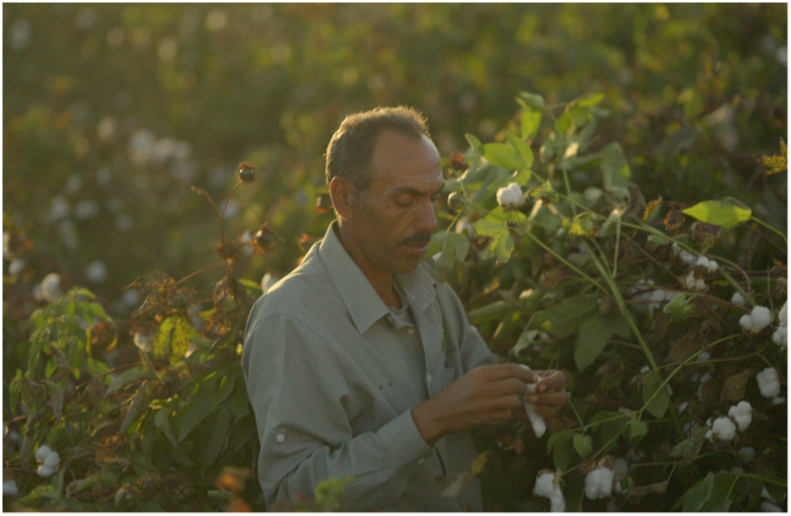
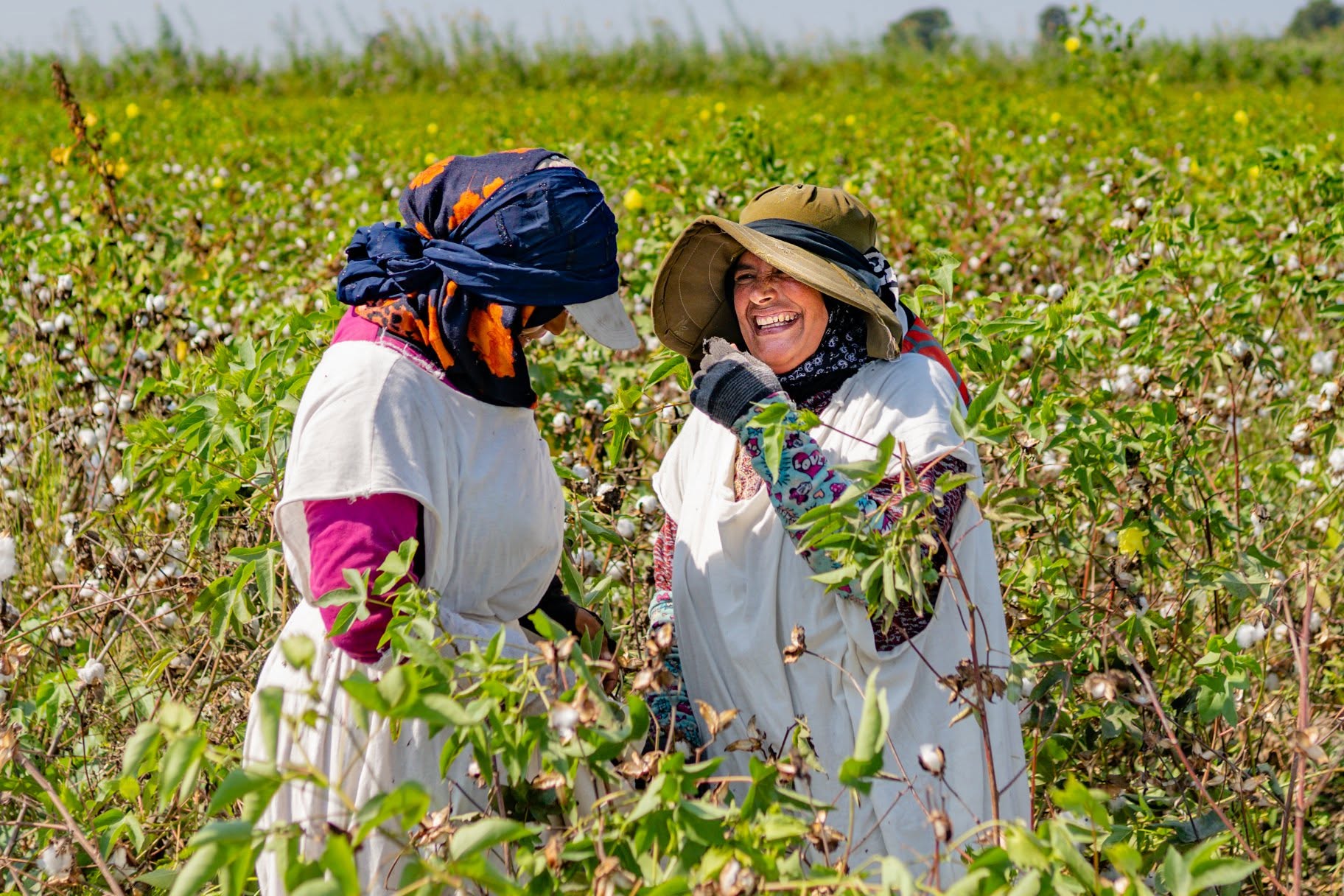
Among the key initiatives in the area of support for value chains, AICS Cairo, through a programme implemented by UNIDO – which is currently in its second phase – is collaborating with Egyptian agricultural research centres and Italian companies operating in the region to support the value chain of Egyptian cotton, a prized raw material renowned worldwide for the length of its fibres, which enable the production of soft, lustrous yarns.

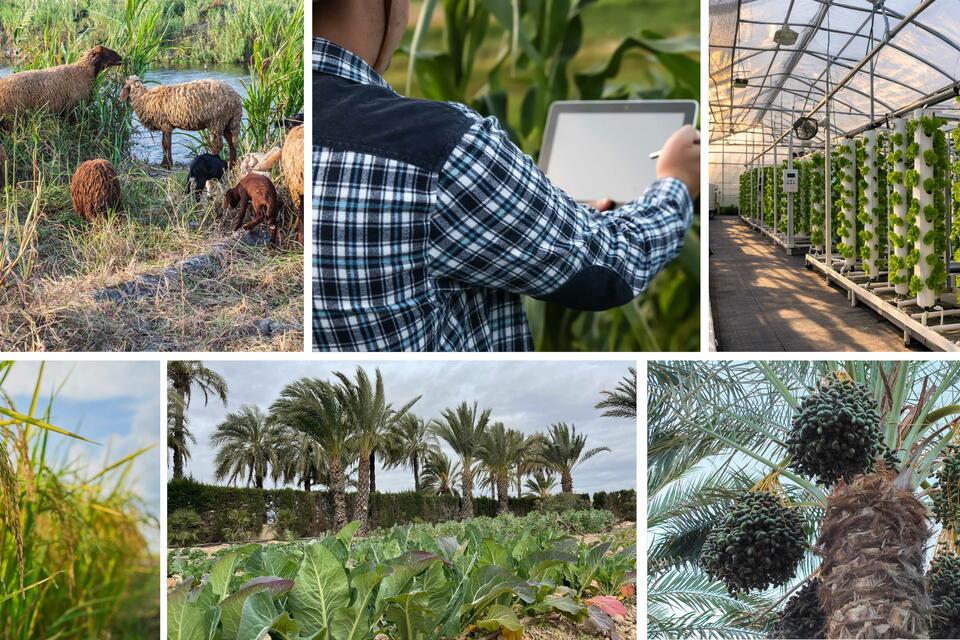
Furthermore, by supporting start-ups, the Agency promotes youth entrepreneurship in the agribusiness sector, with the aim of providing solutions to improve agricultural quality and productivity . With this in mind, the  Agritech4Egypt initiative is being developed, organised by Alliance Bioversity & CIAT, which, through acceleration programmes and the building of a network of scientific collaboration, aims to promote the development, dissemination and adoption of scientific-technological innovations for the Egyptian and regional agri-food system.

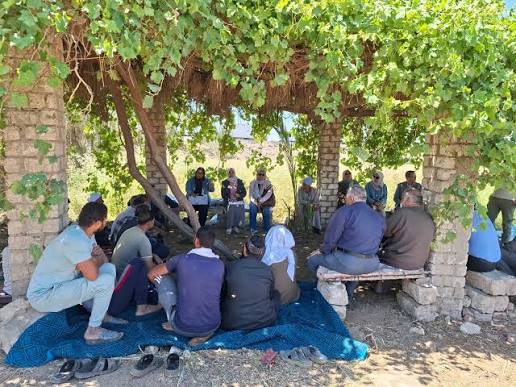
Finally, the Agency supports the project “Greening the future of rural communities in vulnerable areas in Upper Egypt”, implemented by CIHEAM Bari, which aims to promote the adoption of green and innovative solutions in the most vulnerable rural areas. The project aims to facilitate the coordination of agricultural activities in selected areas, by encouraging collaboration between farmers and the adoption of integrated and sustainable practices. The productive and sustainable villages promoted as part of the initiative will serve as demonstration models for the gradual transformation of Egyptian villages into economically viable and resilient systems.
Initiatives closed

Total Funding: € 10.000.000
Place of Intervention: Egypt (Governorates of Minya and Fayoum)
Description: The project aims to provide small and medium-sized agricultural enterprises and agricultural cooperative associations of the Governorates of Fayoum and Minya with effective, sustainable and innovative mechanisation for the main agricultural systems at ground level. The project also aims to strengthen human resources centres and applied mechanisation stations through sustainable innovations and a participatory system for knowledge management.
Implementing Partner: Ministry of Agriculture and Land Reclamation
Local Partner: Ministry of International Cooperation
Duration: 30 Years
SDGs: SDG 2SDG 8
Website: https://samsimifa.org/en_index.php

Total Funding: € 9.000.000
Place of Intervention: Egypt (Governorate of Matrouh – Oasis of Siwa)
Description: The project aims to valorise date palm produced in Siwa by improving its quality and quantities, enhance its agro-industry process, and enhance its marketing at national and international levels through a package of practical activities to be implemented in the Oasis. To ensure the project sustainability the project will pave the road for this sustainability through register a new brand for the date palm of SIWA and forming institutional structure that have valuable human and financial resources.
Implementing Partners: Food and Agro-Industries Technology Centre (FAITC), Ministry of Trade and Industry
Local Partner: Ministry of Trade and Industry
Duration: 24 Months
SDGs: SDG 1, SDG 2, SDG 8, SDG 9, SDG 12, SDG 17

Total Funding: € 2.000.000
Place of Intervention: Egypt.
Description: The project aims to support the development of an inclusive and sustainable tomato supply chain in Egypt by increasing the value of production for processing and improving the technical skills of young people and therefore their job/business opportunities. The project promotes agricultural and factory-level activities by encouraging agriculture and quality transformation while respecting the environment and food hygiene standards, paving the way for new business opportunities. The initiative also intends to create a Pilot Training and Assistance Centre that serves the tomato processing chain by connecting primary producers with the processing industry, offering a series of services for existing and new tomato processors to develop their business through specialized training courses and the introduction of innovative products and/or processes to compete in internal and external markets.
Implementing Partner: United Nation Industrial Development Organisation (UNIDO)
Local Partner: Ministry of Agriculture and Land Reclamation and Ministry of Trade and Industry
Duration: 24 months,
SDGs: SDG 1, SDG 8, SDG 9, SDG 12, SDG 17.
Website: https://www.tvc-eg.org

Last update: 29/07/2026, 9:39

The Egyptian Cotton Project – Phase II

In partnership with leading Sistema Italia companies, the Italian Agency for Development Cooperation and UNIDO continue to support the sustainable production and commercialization of Egyptian cotton, promoting compliance with internationally recognized sustainability standards and certification schemes increasingly required by global retailers and major fashion brands.

Rural Development Read more In partnership with leading Sistema Italia companies, the Italian Agency for Development Cooperation and UNIDO continue to support the sustainable production and commercialization of Egyptian cotton, promoting compliance with internationally recognized sustainability standards and certification schemes increasingly required by global retailers and major fashion brands.

Agritech4Egypt

Agritech4Egypt addresses five strategic areas of agribusiness—digitalization and precision agriculture, agri-finance solutions, sustainable value chains and the circular economy, farmer advisory and training services, and efficient irrigation and water management—while promoting youth entrepreneurship to drive productivity, innovation, and resilience across Egypt's agri-food sector.

Rural Development Read more Agritech4Egypt addresses five strategic areas of agribusiness—digitalization and precision agriculture, agri-finance solutions, sustainable value chains and the circular economy, farmer advisory and training services, and efficient irrigation and water management—while promoting youth entrepreneurship to drive productivity, innovation, and resilience across Egypt's agri-food sector.

Greening the future of rural communities in vulnerable areas of Upper Egypt

The project promotes the aggregation of smallholder farmers around the shared use of resources, encouraging coordinated agricultural practices while developing complementary high-value activities such as beekeeping and biogas production. By diversifying income sources and promoting sustainable natural resource management, the initiative contributes to stronger rural livelihoods, greater climate resilience, and improved food security across Upper Egypt.

Rural Development Read more The project promotes the aggregation of smallholder farmers around the shared use of resources, encouraging coordinated agricultural practices while developing complementary high-value activities such as beekeeping and biogas production. By diversifying income sources and promoting sustainable natural resource management, the initiative contributes to stronger rural livelihoods, greater climate resilience, and improved food security across Upper Egypt.

Supporting Eritrea’s National Brucellosis and Bovine Tuberculosis Control Programme (EC4bTB)

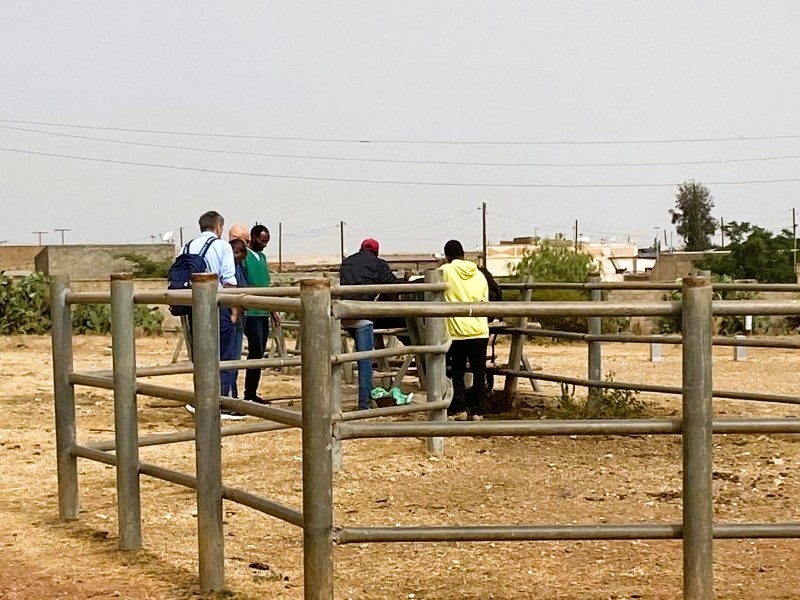
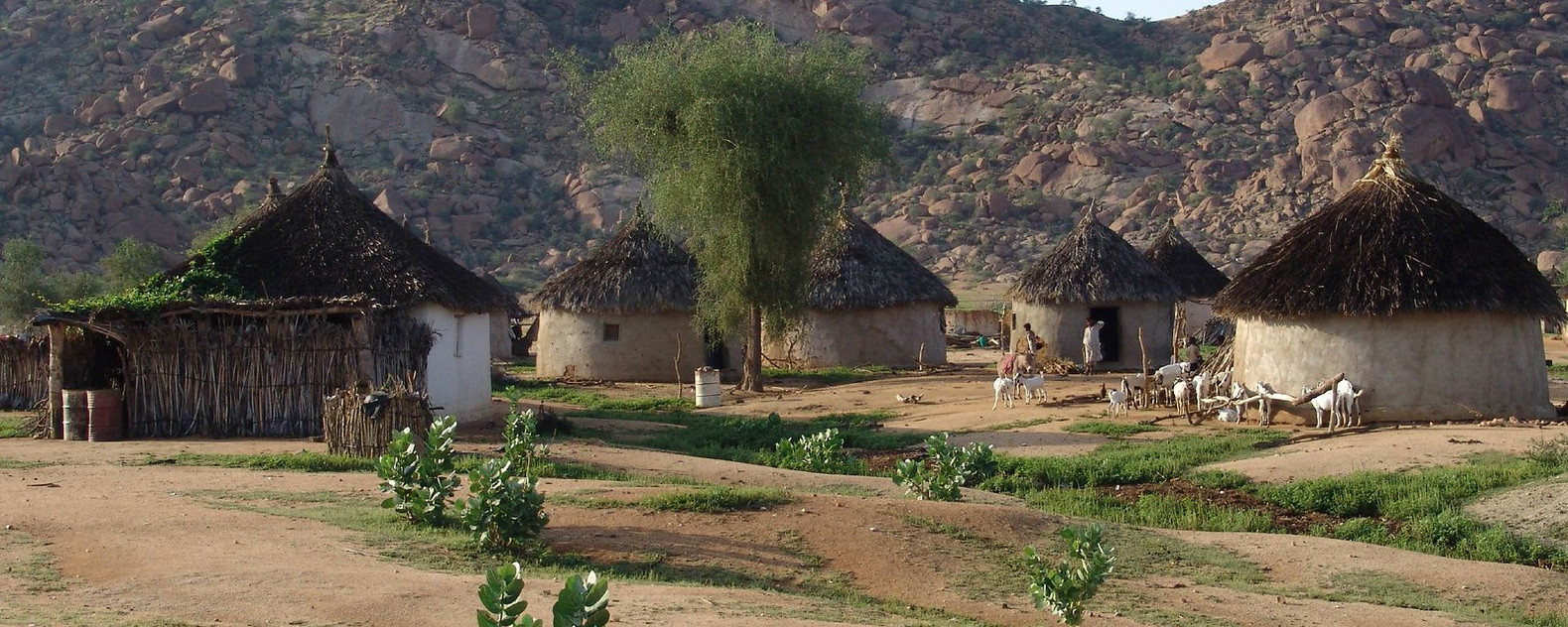
EC4bTB is a data-driven initiative that applies the One Health approach by integrating animal, human, and environmental health. Through strengthened diagnostic capacity, digital innovation, and epidemiological surveillance, the project supports Eritrean institutions in developing a national programme for the eradication of brucellosis and bovine tuberculosis

Rural Development Read more EC4bTB is a data-driven initiative that applies the One Health approach by integrating animal, human, and environmental health. Through strengthened diagnostic capacity, digital innovation, and epidemiological surveillance, the project supports Eritrean institutions in developing a national programme for the eradication of brucellosis and bovine tuberculosis