
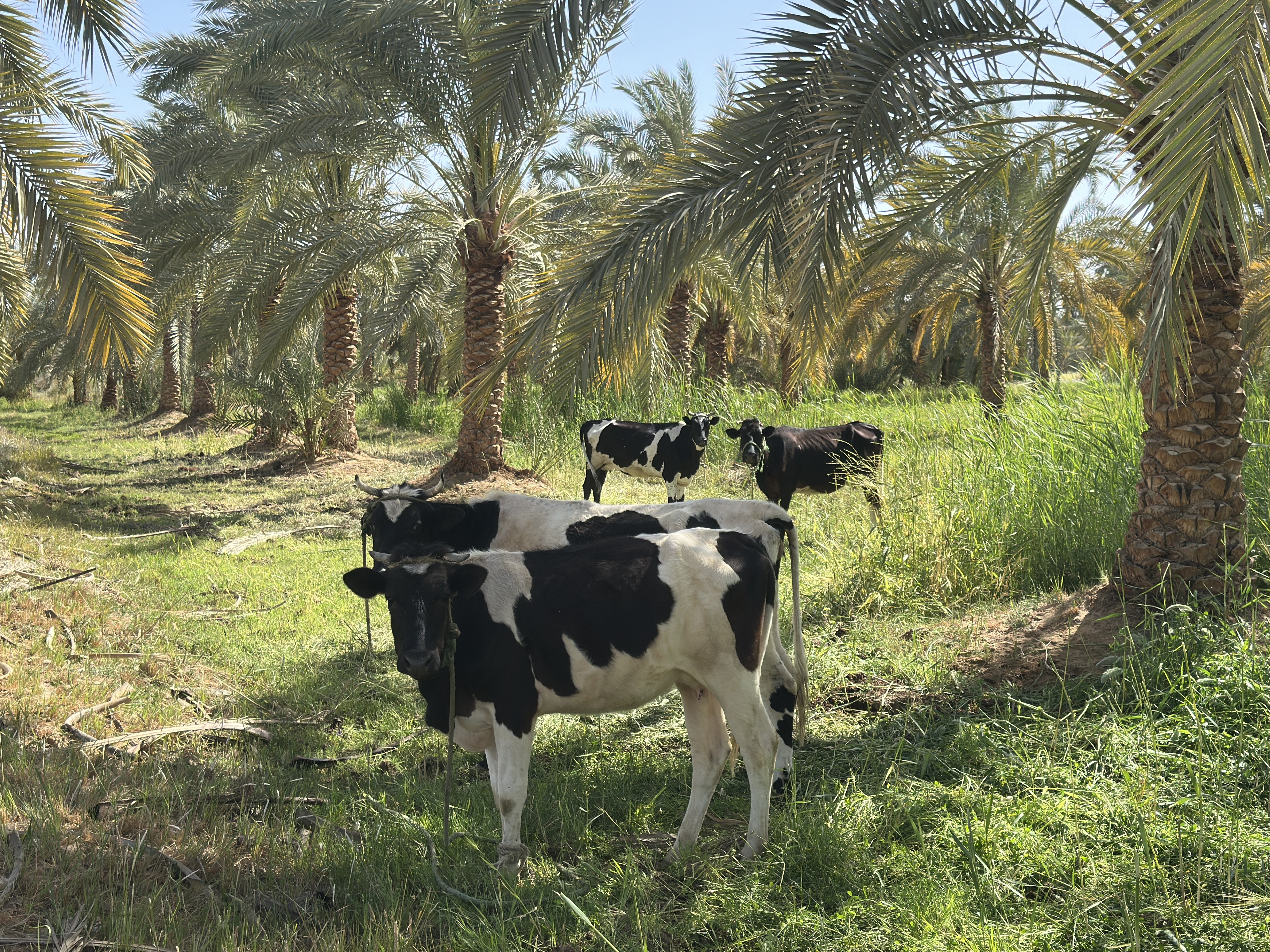
The Tackling Climate Change through Sustainable Livestock Management (TACLIM) project, implemented by the Food and Agriculture Organization of the United Nations (FAO) in partnership with the Istituto Zooprofilattico Sperimentale dell’Abruzzo e del Molise (IZSAM), was designed to address the challenges associated with Egypt’s growing demand for animal protein. This trend poses significant challenges, including the spread of animal diseases, the increasing risk of antimicrobial resistance, and rising greenhouse gas emissions generated by the livestock sector.
Building on IZSAM’s extensive experience in applying the One Health approach—which recognizes the close interconnection between animal, human, and environmental health—the project promotes a more sustainable, safe, and climate-resilient livestock production model. It encourages farming practices that respect animal welfare and the environment, with the aim of reducing the sector’s climate impact, combating antimicrobial resistance, and strengthening the capacity of both livestock producers and institutions to respond effectively to animal health and environmental challenges.
Implemented in the governorates of Beheira and Assiut, two strategic areas for Egypt’s livestock sector, TACLIM delivers direct benefits to livestock farmers, veterinarians, and stakeholders operating along the dairy value chain.
At the same time, the project promotes the valorization of livestock waste through the installation of biogas plants, supporting renewable energy production and further contributing to the reduction of greenhouse gas emissions.