
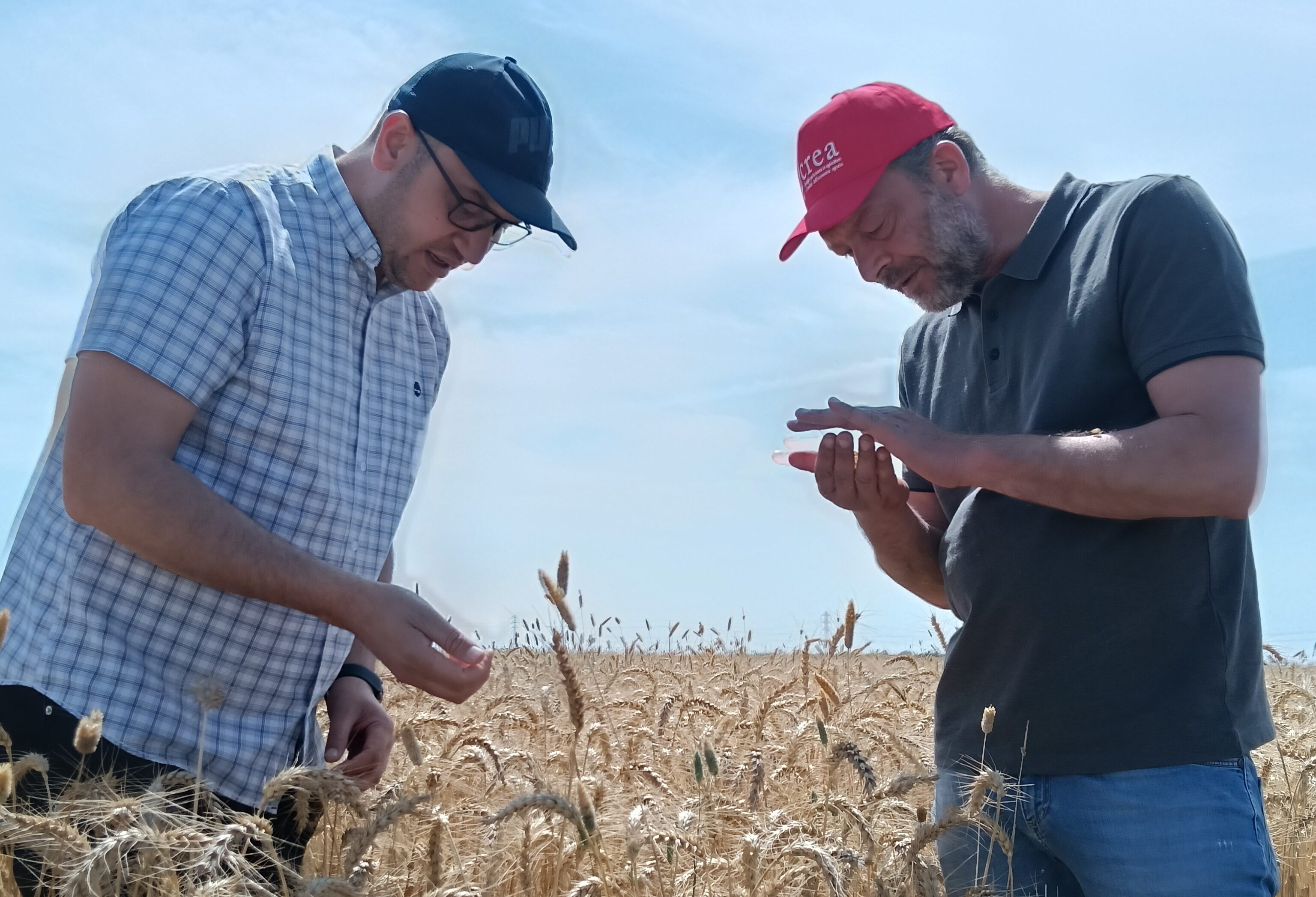
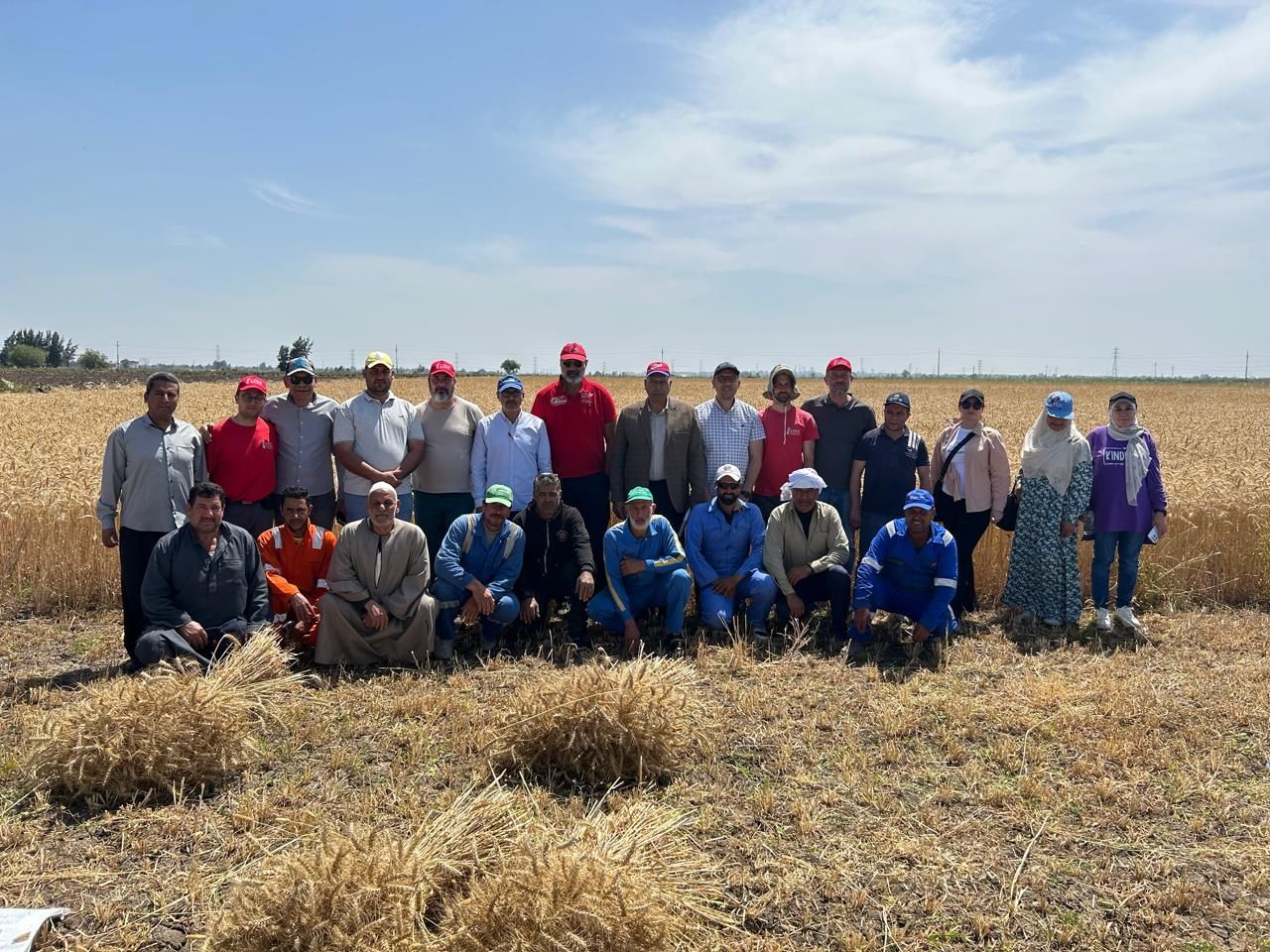
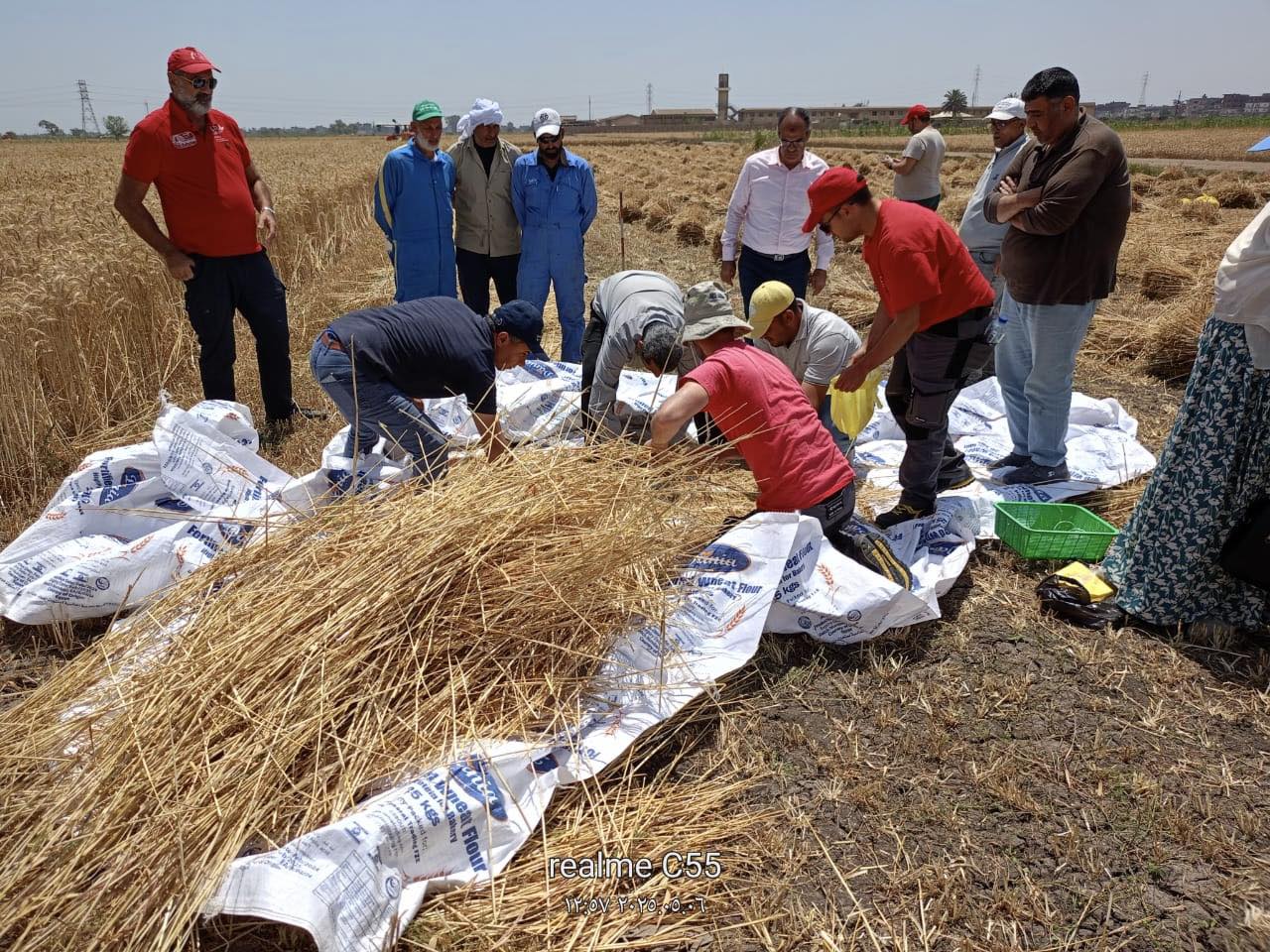
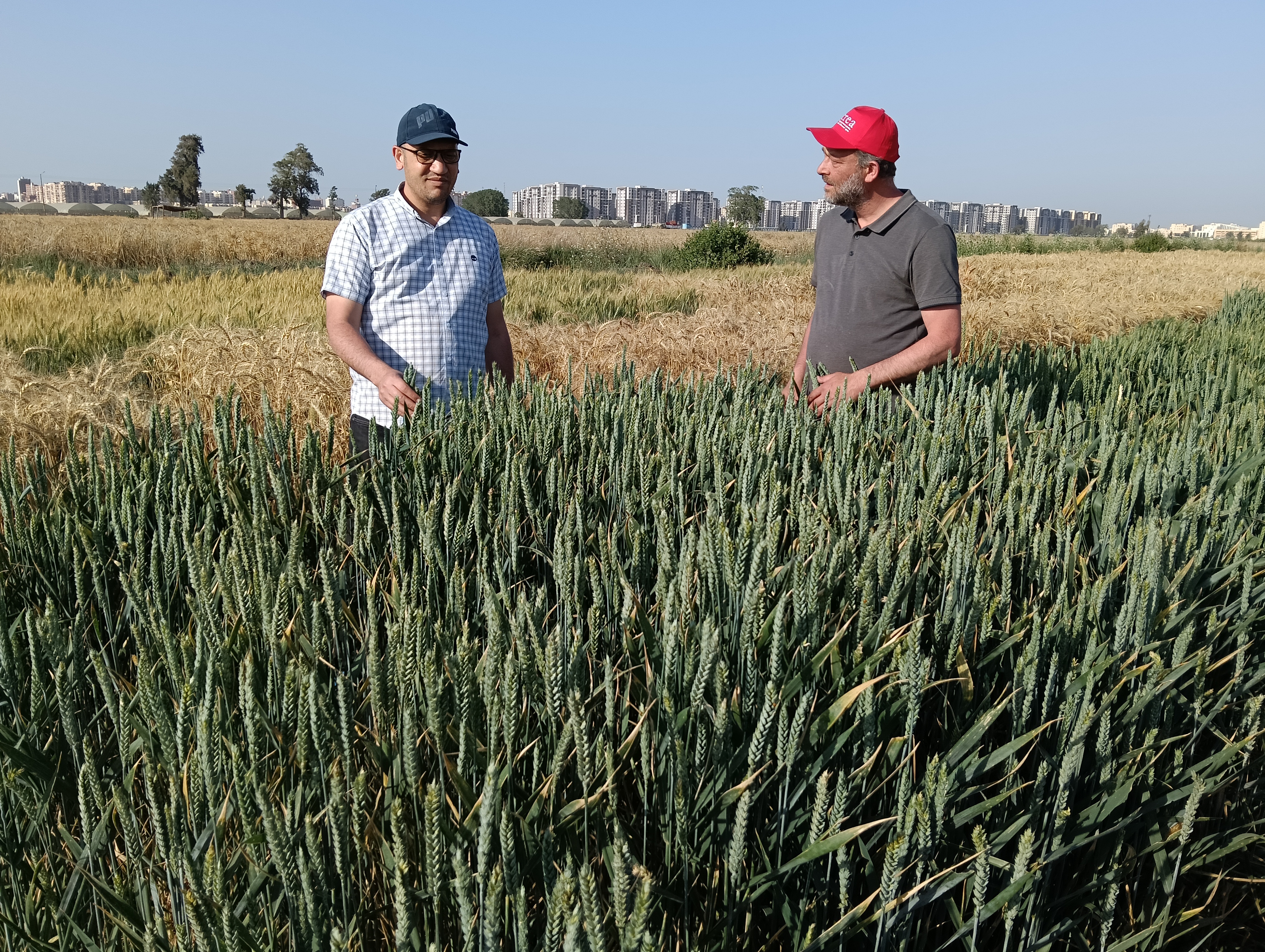
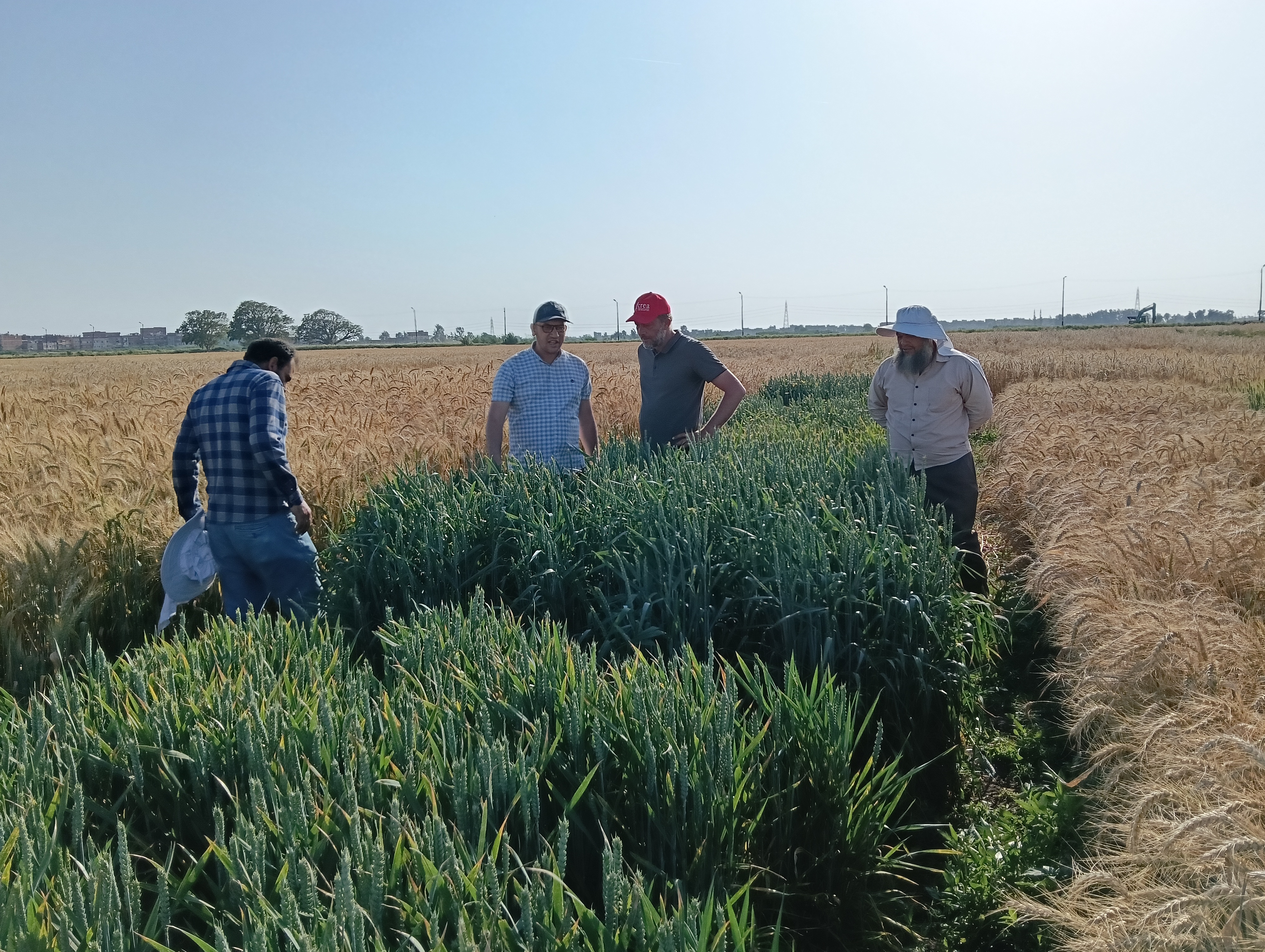
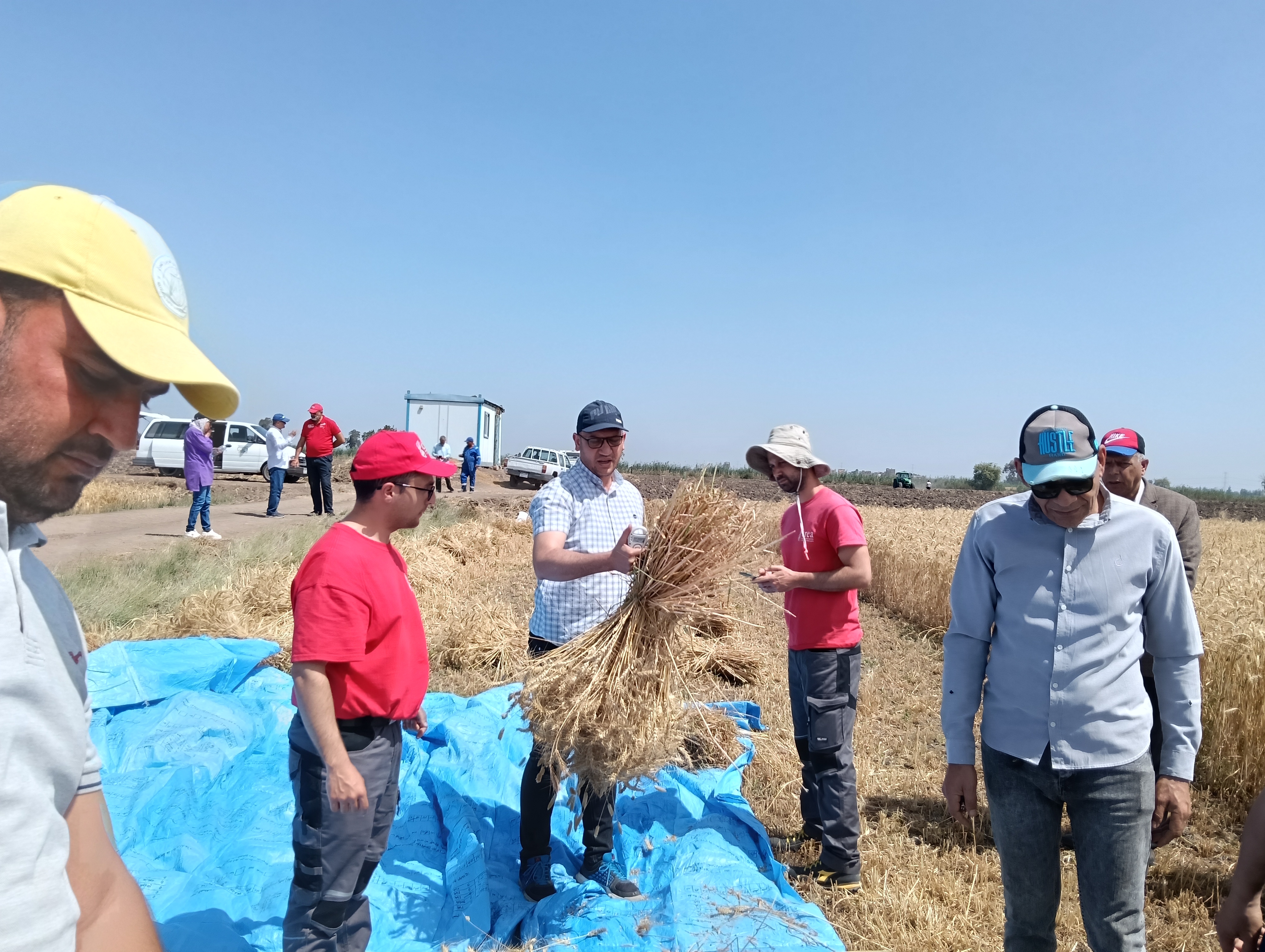
The EU-KAFI (EU Support to Improve Cereal Crops Production in Egypt) Programme is a five-year initiative funded by the European Union and implemented by the Italian Agency for Development Cooperation (AICS), in convention agreement with the Council for Agricultural Research and Economics (CREA) and in collaboration with the Agricultural Research Center (ARC) and the Central Administration for Seed Certification (CASC) under the Ministry of Agriculture and Land Reclamation (MoALR), and with the Egyptian Holding Company for Silos and Storage (EHSS) of under the Ministry of Supply and Internal Trade (MoSIT).
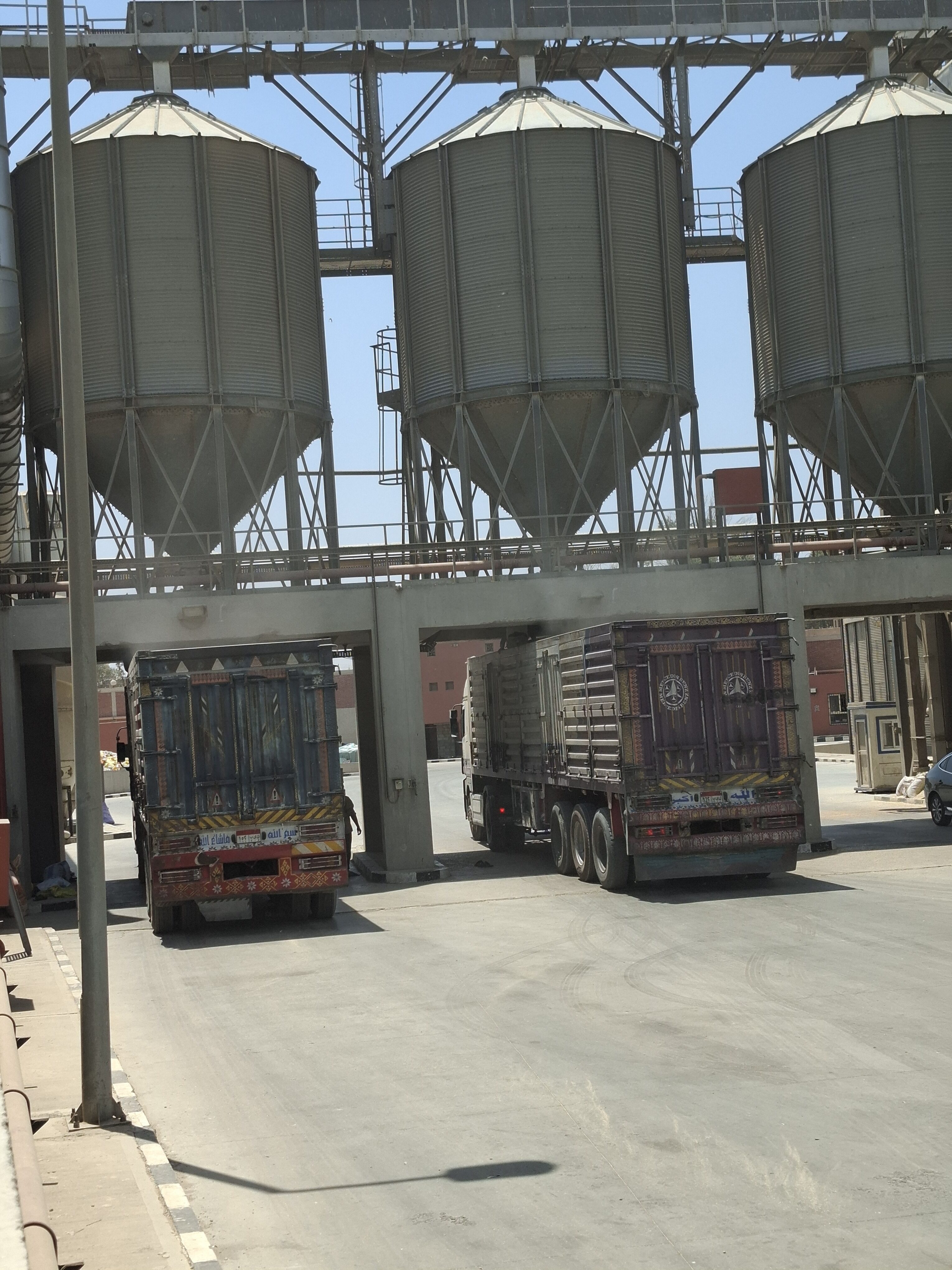
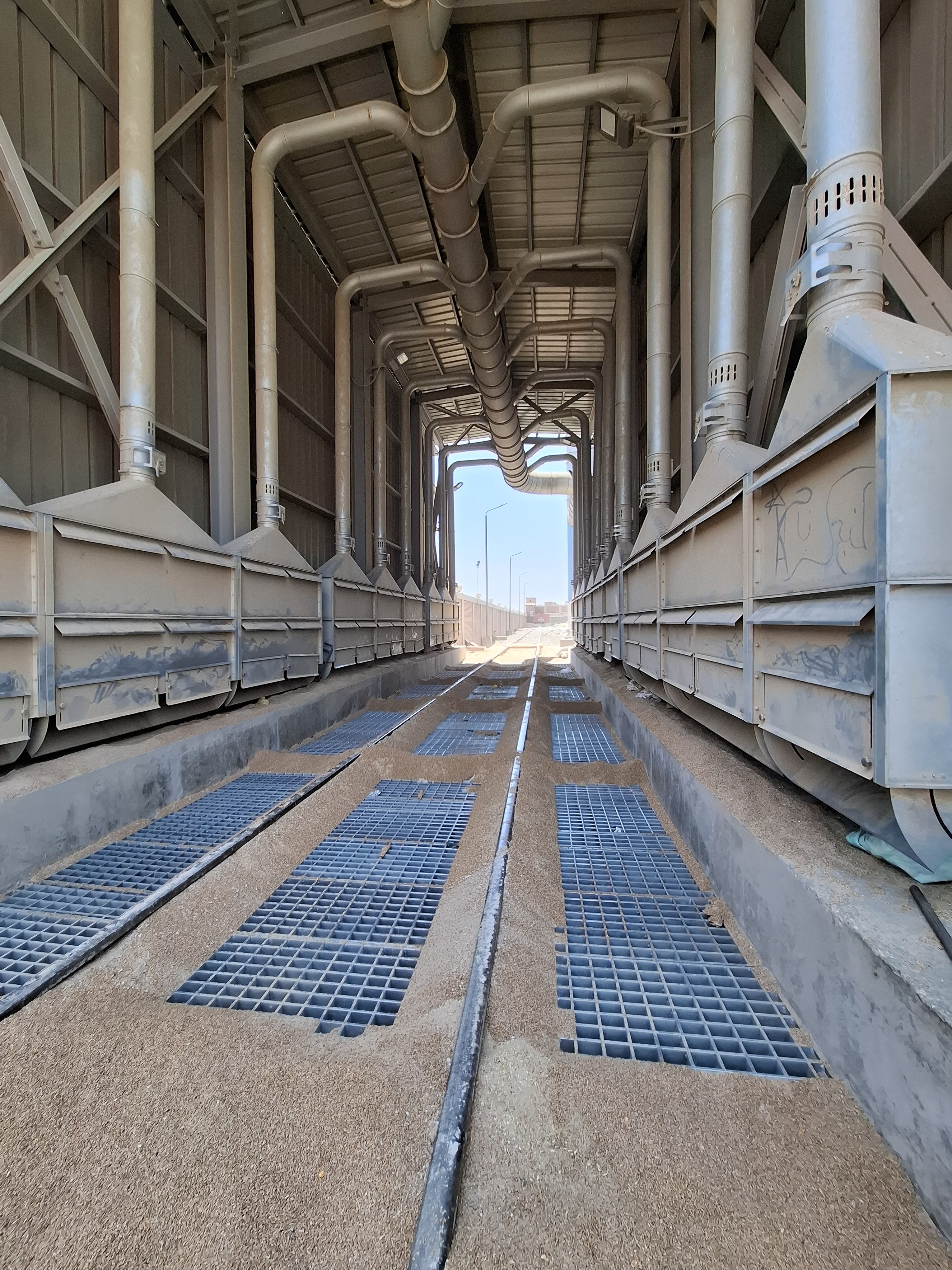
The programme supports Egypt’s efforts to strengthen food security by increasing sustainable and climate-resilient wheat production, supporting the national breeding programme, improving certified seed systems, revitalizing the national wheat extension campaign to support medium and small-scale farmers in the Good Agricultural Practices implementation, modernising agricultural mechanisation, and reducing post-harvest losses through enhanced storage and advanced grain tracking capacities.
Operating mainly in key wheat-producing governorates of Nile Delta region, EU-KAFI combines infrastructure investments with institutional capacity building and technical assistance. The programme includes the upgrading of breeding and quality laboratories, the establishment of new seed processing plants, the construction of modern grain silos, the expansion of ICT-based grain monitoring systems, and the promotion of Good Agricultural Practices (GAPs) to improve productivity, sustainability, and resilience across the wheat value chain.
Throughout 2025, implementation gained significant momentum through a series of strategic technical, institutional, and capacity-building activities. In June, the programme participated in the Second International Smart and Green Agriculture Forum (AgriTech Egypt), strengthening dialogue on agricultural innovation, climate-smart farming, and digital solutions for the sector. In October, the Head of the European Union Delegation to Egypt visited the Agricultural Mechanisation Hiring Service Station in Damanhur (Al Beheira Governorate) with the Governor of Beheira, highlighting the programme’s contribution to improving mechanisation services for small and medium-scale farmers.
Among the most significant achievements was the signing of a Memorandum of Understanding (MoU) between ARC and AICS, which strengthened institutional cooperation and defined the agricultural machinery, research and quality laboratories, and seed processing facilities to be established, paving the way for the launch of the related procurement activities. In addition, a study visit to Italy, organised by CREA, was carried out to promote the exchange of knowledge and experience on cereal production, agricultural research, mechanisation, and agricultural extension.
Capacity development also advanced substantially through the joint work of CREA and ARC on Good Agricultural Practices. Technical collaboration focused on developing GAP agronomic protocols adapted to Egyptian agroecological conditions and laying the grounds for multi-yearly Training of Trainers (ToT) programme aimed at training 200 trainees through science-based modules covering seven key GAP areas. The first 50 trained ToT supported a large-scale dissemination of sustainable wheat production practices to more than 5’000 wheat farmers, in the initial phase, aiming to progressively roll out GAP adoption among 400,000 farmers across Egypt, contributing to the long-term resilience, productivity, and sustainability of Egypt’s wheat sector.
Finally, a gender analysis of the wheat value chain in Egypt was conducted, leading to the formulation of specific recommendations.
